Plug-in Hybrid or EREV: Which to Choose and What's the Difference
Both types of hybrid charge from a socket and promise over a thousand kilometres on a single tank. Yet on the highway, in the city and in winter they behave differently. We break down which setup is right for you.
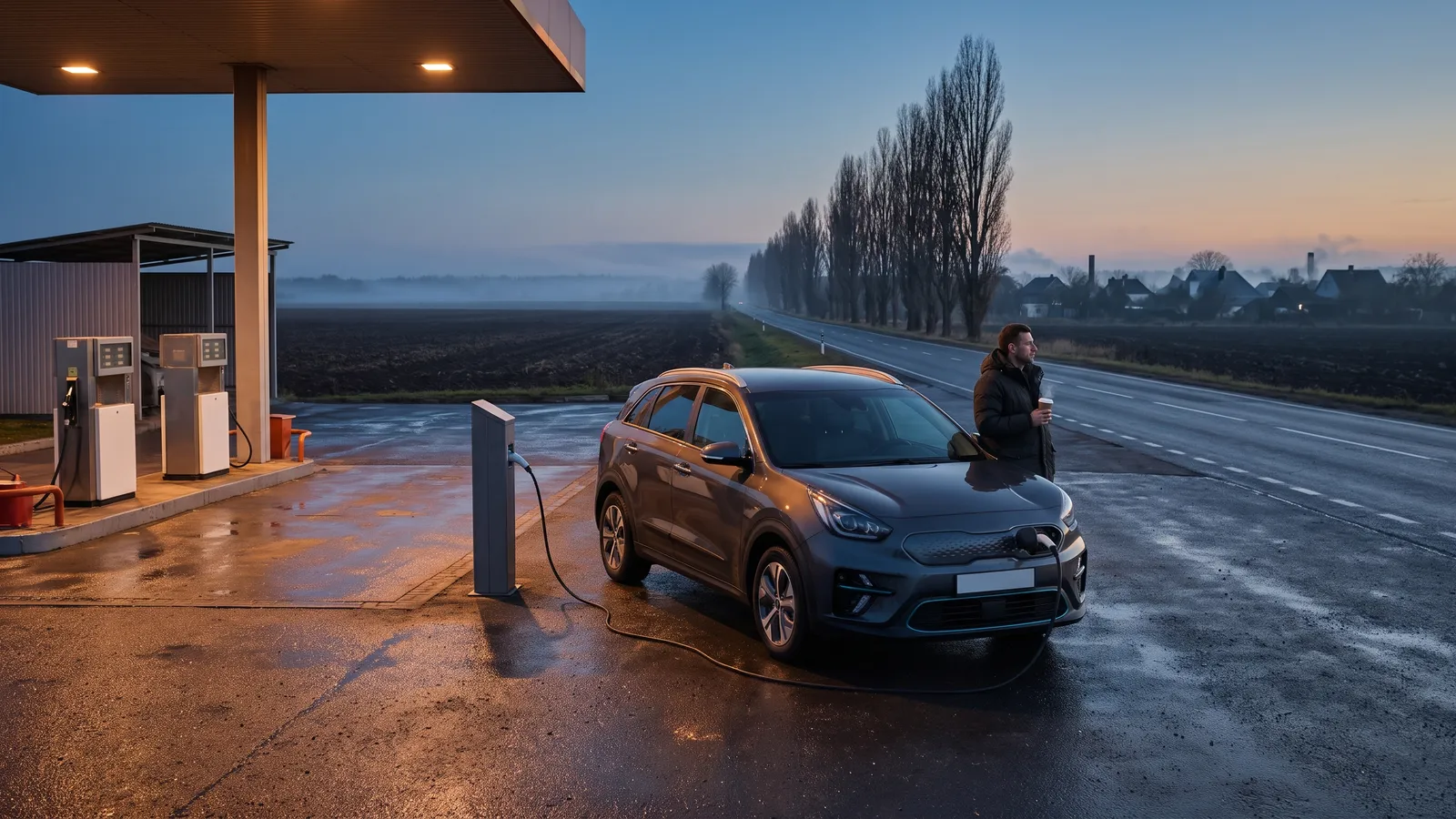
Sometimes a fully electric car isn't quite right for you yet, but you no longer want an ordinary petrol crossover either. Then the choice usually comes down to two options. The first is a classic plug-in hybrid (PHEV; Chinese brands call these DM-i and EM-i). The second is an EREV, an electric car with a petrol generator. It's also called a series hybrid or a range-extender hybrid.
On paper they look similar. Both run on electricity, charge from a socket and promise over a thousand kilometres on a single tank. But in real life the difference is noticeable: on the highway, in the city, in winter and with a depleted battery. Prices differ too: in the EV House catalogue, series hybrids are mostly more expensive than plug-in hybrids of the same class.
Here we'll look at the difference using specific models and typical scenarios, without unnecessary theory. If you want to dig deeper into drivetrains, read our separate article on how DM-i, EM-i and EREV work. This article is about making a practical choice.
The key difference: what drives the wheels
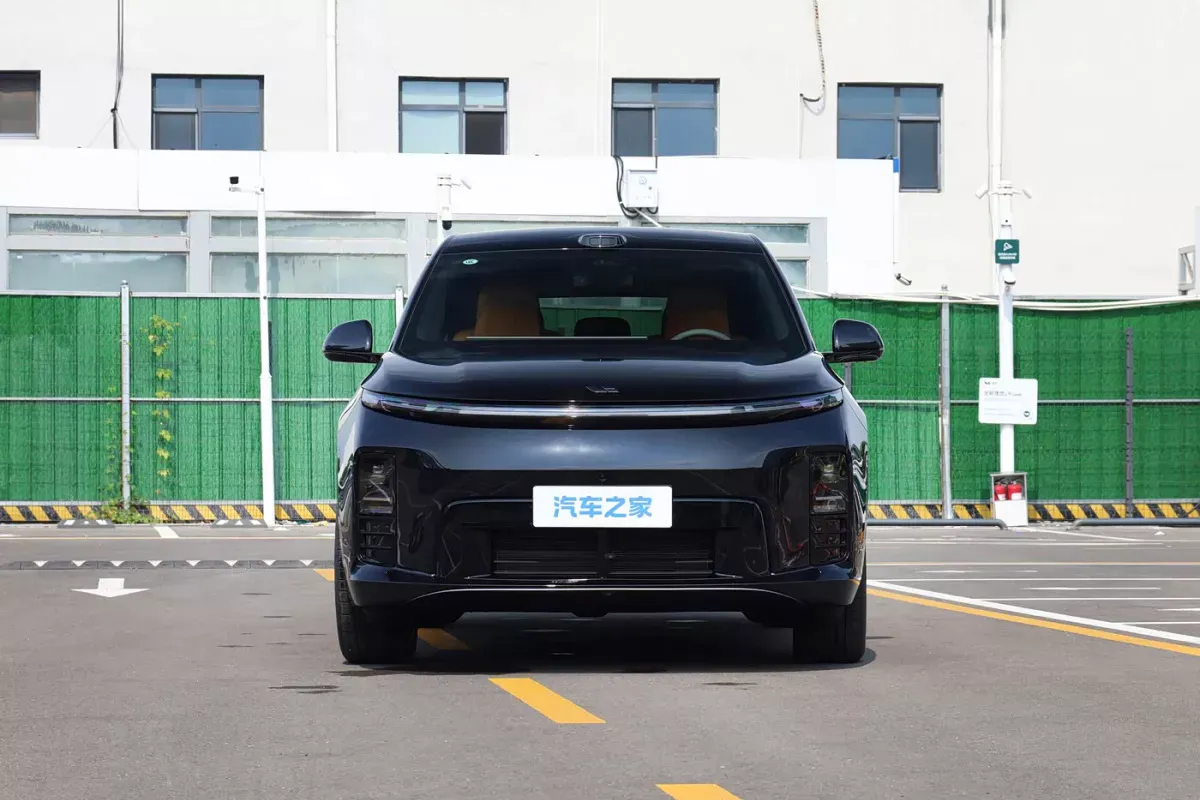
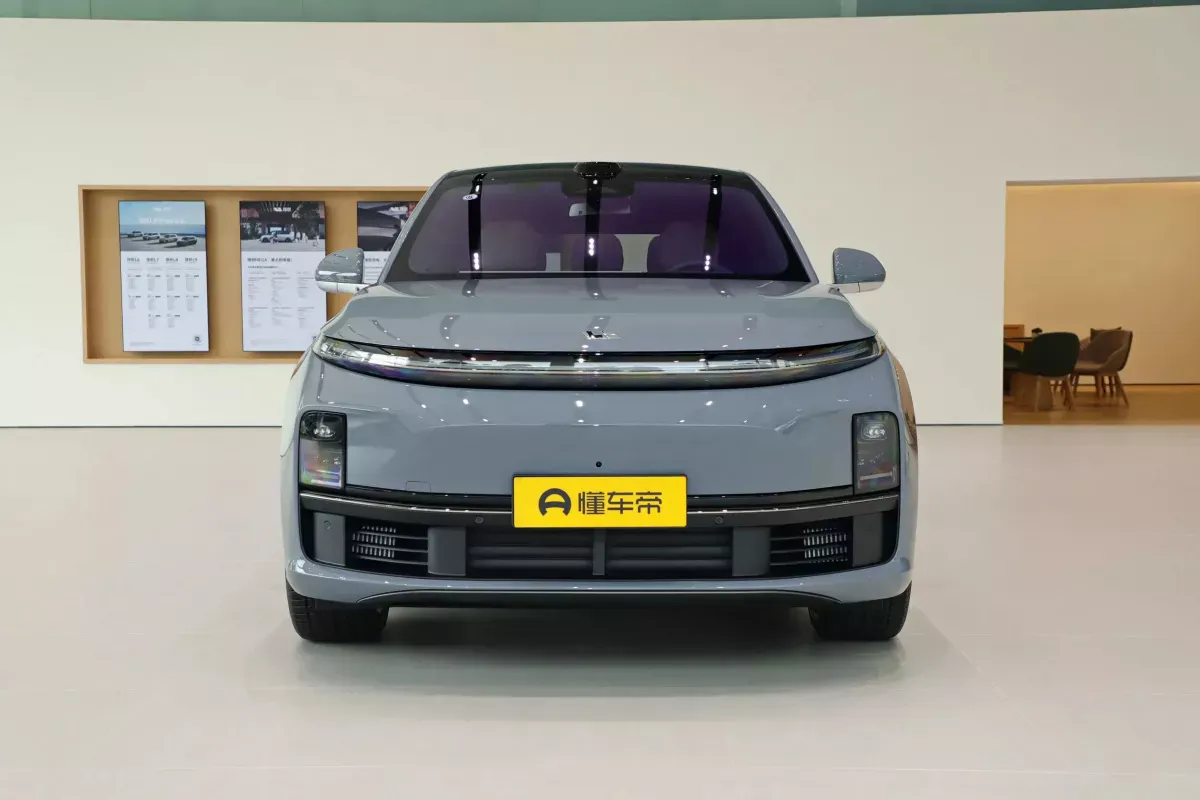
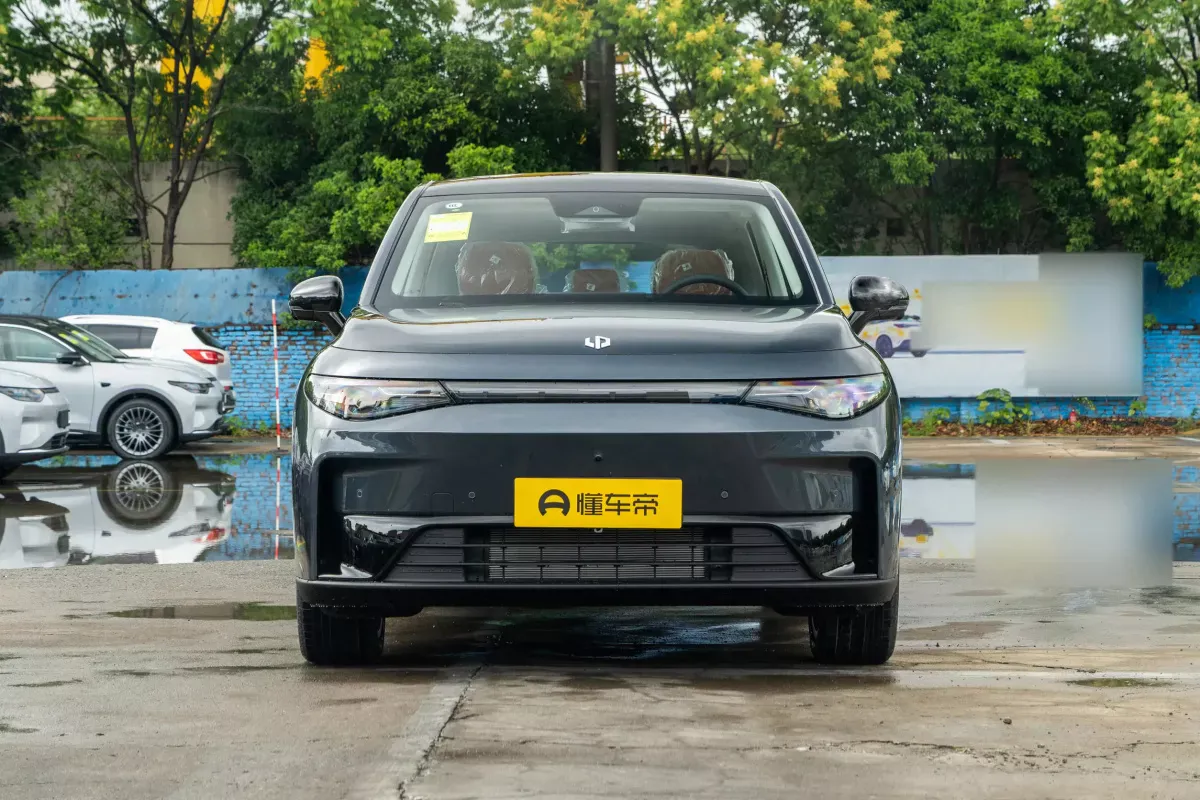
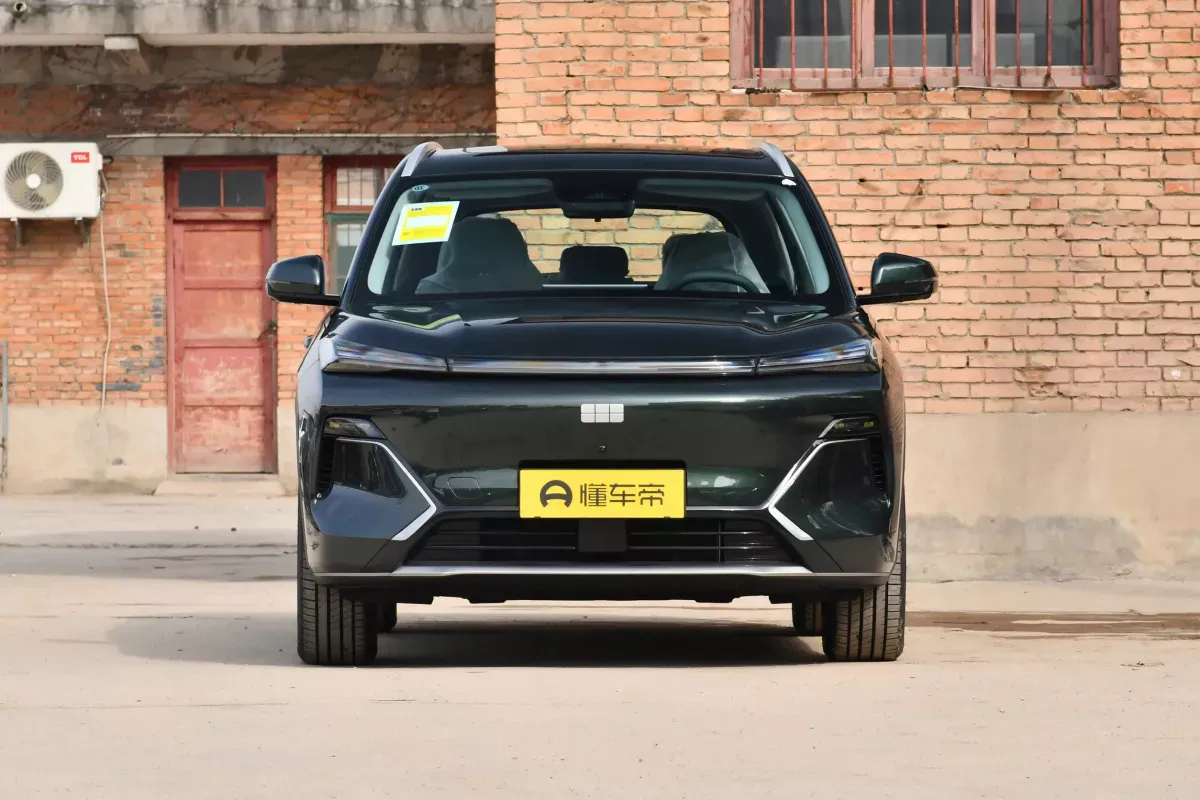
In an EREV, the wheels are always driven by the electric motor alone. The petrol engine has no mechanical connection to the wheels and works as a generator: it charges the battery or powers the motor directly. For the driver, it's an electric car with its own small power plant under the bonnet. This is how the Li L6, Li L7 and Leap Motor C10 DM work, for example.
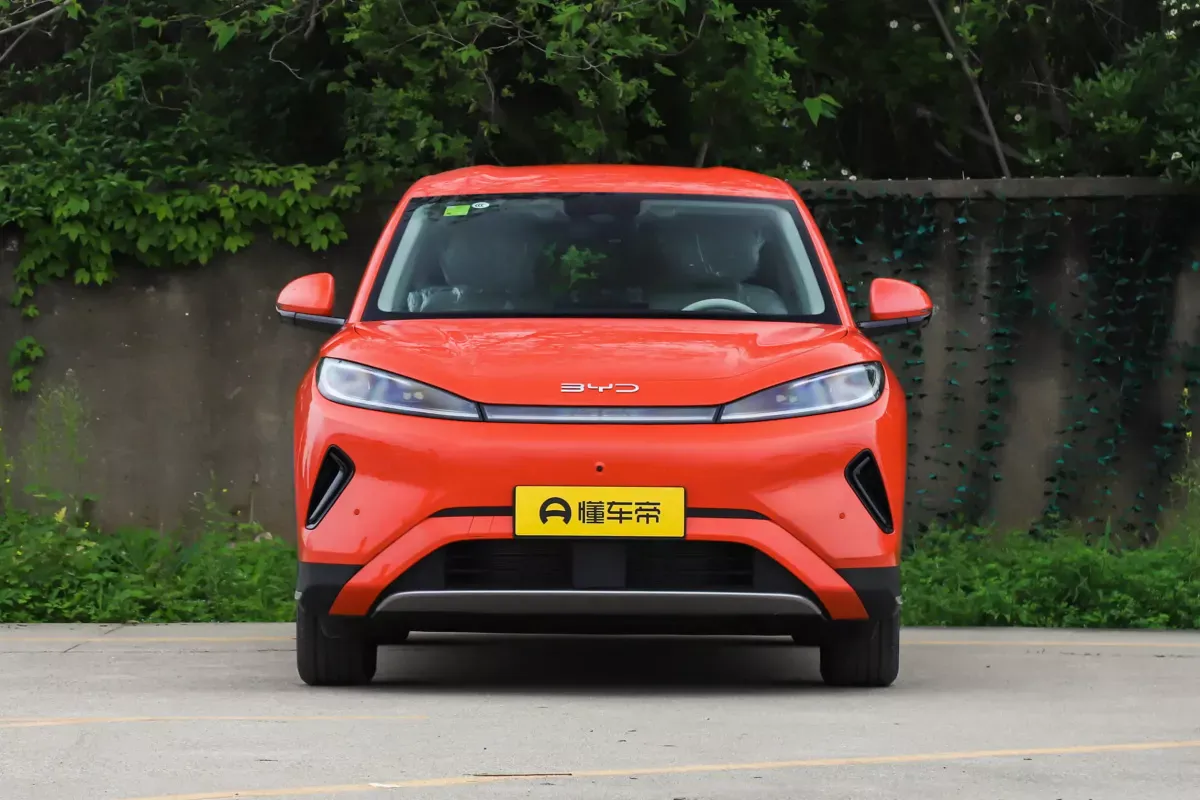
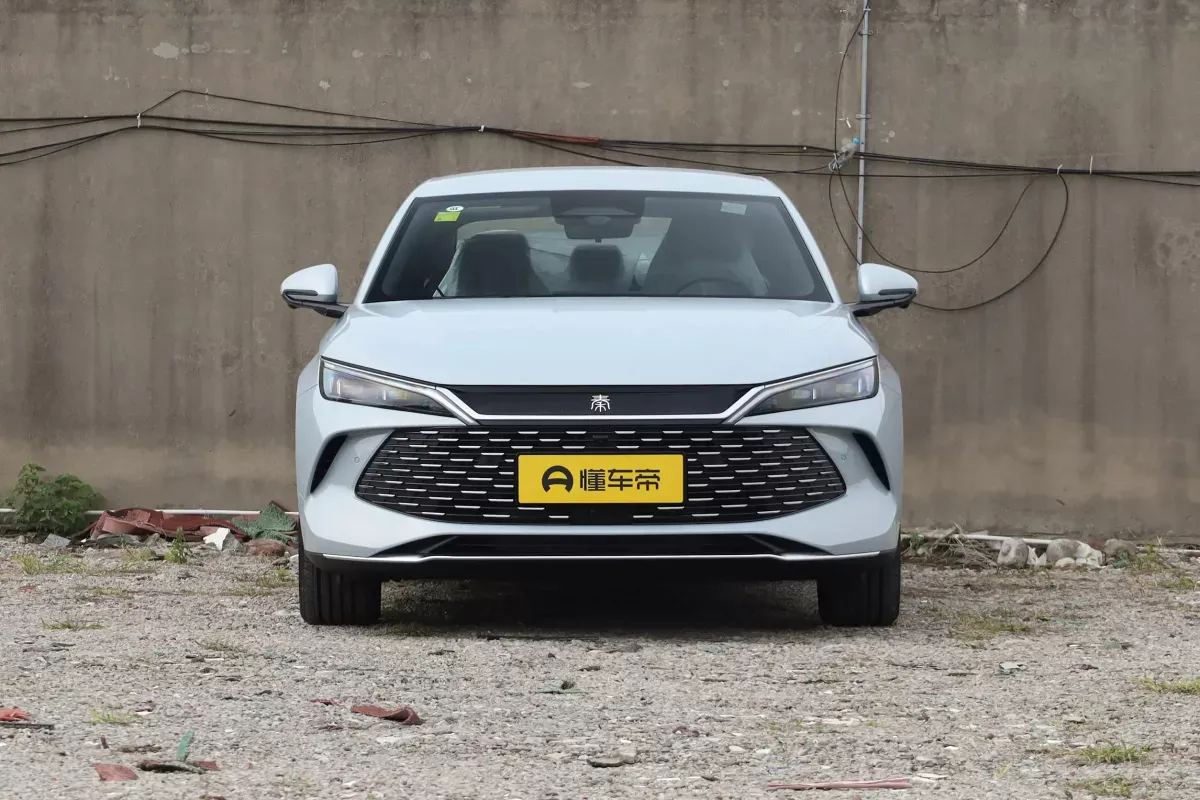
In a plug-in hybrid such as BYD DM-i or Geely EM-i, the system is series-parallel. In the city and at low speeds the car also mostly runs on electricity, while the engine only generates power when needed. As speed increases, the engine can connect directly to the wheels via a clutch. It then drives the car itself, with the electric motor assisting during acceleration. This is how the BYD Sea Lion 05 DM-i, BYD Qin L DM-i and Geely Starship 7 EM-i work.
Almost everything else depends on this difference:
- Battery. In an EREV it's usually larger: 42.8–52.3 kWh in the Li L7 and 51 kWh in the Li L6. Affordable BYD and Geely plug-in hybrids have 15.8 to 34.28 kWh. The Leap Motor C10 DM with its 28.4 kWh battery is an in-between option: a series layout, but with a capacity close to plug-in hybrids.
- Electric motors. In an EREV the motor has to handle any load on its own, so it's more powerful. In a PHEV the engine takes on part of the work on the highway.
- Efficiency at speed. In an EREV, fuel energy first becomes electricity and then motion, with losses at each stage. In a PHEV the engine drives the wheels directly on the highway, so there are fewer such losses.
Electric range: CLTC vs reality
The catalogue lists range according to the Chinese CLTC cycle. It's noticeably more optimistic than real-world driving. For convenience, use this rule of thumb:
- in warm weather, in the city and suburbs, real range is usually 65–80% of CLTC;
- on the highway at 110–130 km/h, roughly 50–65%;
- in freezing weather it's even less, especially with cabin heating on. More on this in our article on winter range.
Applied to specific models, it looks like this. The Li L6, rated at 300 km CLTC, will cover about 200–240 km on electricity in mixed summer driving, noticeably less in winter. The BYD Sea Lion 05 DM-i with the 34.28 kWh battery (305 km CLTC) will give roughly 200–240 km, and the 220 km version 145–175 km. The Geely Starship 7 EM-i, rated at 135 km, will realistically cover 90–110 km. The BYD Qin L DM-i in the 128 km version manages 85–100 km.
If you drive 40–70 km a day, any of these cars will do, and you'll hardly need petrol on weekdays. The difference shows up on longer trips. A large EREV can drive to a neighbouring regional city and back without starting the engine. A compact PHEV on such a route will have to cover part of the way on petrol.
Fuel consumption: where each setup wins
While the battery is charged, both types use only electricity. There's no fundamental difference here, except that heavier cars consume more kilowatt-hours. It gets more interesting when the battery is depleted and the car runs on fuel.
| Model | Type | Battery, kWh | Electric (CLTC), km | Power, hp | 0–100 km/h, s | Consumption (WLTC), l/100 km | Price |
|---|---|---|---|---|---|---|---|
| Li L6 | EREV | 51 | 300 | 408 | 5.4 | from 7.1 | from $57,200 |
| Li L7 | EREV | 42.8–52.3 | 225–286 | 449 | 5.3 | from 7.4 | from $62,800 |
| Leap Motor C10 DM | EREV | 28.4 | 210 | 231 | 7.68 | from 5.1 | from $31,800 |
| BYD Sea Lion 05 DM-i | PHEV | 26.6–34.28 | 220–305 | 163 | 8.4–8.6 | from 4.3 | from $27,000 |
| BYD Qin L DM-i | PHEV | 15.8–25.2 | 128–210 | 163–238 | 7.5–7.9 | from 3.8 | from $24,900 |
| Geely Starship 7 EM-i | PHEV | 19.09 | 130–135 | 238 | — | 4.5–4.7 | from $24,800 |
Prices are taken from the EV House catalogue at the time of publication and may change. Fuel consumption figures are WLTC lab values; in reality it's higher. Still, they honestly show the ratio: BYD and Geely plug-in hybrids are more economical on fuel. There are two reasons. Large EREVs are heavier and more powerful, and on the highway they also lose some energy through double conversion.
Real-world figures with a depleted battery are as follows. A plug-in hybrid crossover like the Sea Lion 05 DM-i or Starship 7 EM-i typically uses 5–7 l/100 km in mixed driving. A large EREV in the Li L6/L7 class uses 7–9 l. On the highway at 130 km/h both consume more, and the gap widens. In the city with a depleted battery the difference is smaller: the EREV's generator runs in its optimal mode, and at low speeds the PHEV also moves mostly on electricity.

The main rule is the same for both: consumption depends on how often you charge. If you charge at home every night, you'll rarely buy fuel, whatever you drive. If you usually have nowhere to charge, a hybrid effectively becomes a petrol car with extra weight. In that case, the more economical setup is a PHEV.
Performance and driving feel
An EREV always drives like an electric car: quiet, smooth, with instant response when you press the pedal. The Li L6 has 408 hp and does 0–100 in 5.4 s; the Li L7 has 449 hp and does it in 5.3 s, both with all-wheel drive. For large family crossovers that's very lively. What's more, the car's character barely changes when the battery is depleted, since the electric motor drives the wheels either way. One thing to know: at very low charge and with prolonged aggressive driving, the system may limit power. The generator can't always keep up with peak demand.
The Leap Motor C10 DM is an interesting option for those who want the feel of an electric car at a plug-in hybrid price. It has 231 hp, rear-wheel drive and accelerates in 7.68 s. Not sporty, but confident.
Affordable plug-in hybrids are tuned primarily for economy. The BYD Sea Lion 05 DM-i has 163 hp and does 0–100 in 8.4–8.6 s: more than enough in the city, while overtaking on the highway needs a bit more planning. The Qin L DM-i in higher trims and the Geely Starship 7 EM-i each produce 238 hp, so they feel livelier. Engine engagement in modern DM-i and EM-i systems is almost imperceptible, but you'll hear it under hard acceleration on the highway.
Charging, maintenance and winter
The large battery in an EREV means not only more electric range but also longer charging from a socket. The Li L6's 51 kWh will take a very long time to charge from a household outlet, so a home wallbox is practically essential for such cars. We covered how to choose one and how much it costs in our article on home charging. A plug-in hybrid with an 18–26 kWh battery charges fully overnight from a regular socket.
Both types support DC fast charging. According to the catalogue, it takes about 0.2 h for the Li L6, 0.3 h for the Leap Motor C10 DM, and about 0.33 h for the Geely Starship 7 EM-i and the 210 km version of the Qin L DM-i. These are factory figures for a certain charge range, so in real conditions and in the cold it will take longer.
For maintenance, both types have an internal combustion engine: oil, filter and fluid changes. It runs less often than in a regular car, but the service schedule still applies. If you drive only on electricity for years, don't leave fuel in the tank for many months, and let the engine run from time to time. Many systems do this automatically. The EREV layout is mechanically simpler, as it has no clutch or hybrid gearbox. That said, DM-i and EM-i drivetrains have long been proven in mass use.

In winter both types lose electric range. In freezing weather the engine may start more often to keep the system running. All models in this article have battery preconditioning. It's best to schedule it while the car is still on charge.
Which suits whom
A plug-in hybrid (DM-i, EM-i) if:
- your budget is limited to roughly $25–32k. The choice among PHEVs is wider here, with both crossovers and sedans;
- you often drive intercity highways and don't always have somewhere to charge;
- minimal fuel consumption matters more to you than performance;
- you only have a regular socket at home and don't plan to install a wallbox yet.
Good examples are the BYD Sea Lion 05 DM-i with a large electric range for its class, the BYD Qin L DM-i for those who need a sedan, and the Geely Starship 7 EM-i with a roomier boot (528–2065 l).
An EREV if:
- you want the car to behave like an electric car at any battery level;
- your main trips are city and suburbs, and you can charge at home or at work;
- you need a large family crossover with all-wheel drive and good performance;
- you're ready to accept a higher price and higher highway consumption in exchange for comfort.
The Li L6 and Li L7 are typical representatives of this class. The Leap Motor C10 DM lets you try the series layout for considerably less money.
When to consider a fully electric car
Perhaps you already have home charging, long trips happen only a few times a year, and your routes pass DC stations. Then honestly work out whether you need an engine at all. A hybrid is always a compromise: extra weight, engine maintenance and a tank you hardly use.
Conclusion
There's no clear winner here, just a setup that better fits your lifestyle. A plug-in hybrid is more rational if you drive a lot on highways and count every litre. An EREV gives more of an electric-car feel and comfort, but costs more and uses more fuel on the highway. Before choosing, look at your actual trips over a typical month and whether you can charge at home. Part of the answer will become obvious on its own. If you'd like to compare specific models for your budget or take them for a test drive, contact EV House in Lutsk at +380 66 088 93 20. We'll tell you what's in stock and what can be brought in to order.
FAQ
Can you drive an EREV if the battery is completely depleted?
Yes. The generator produces power for the electric motor, so the car keeps going on petrol. Performance usually barely changes, but with prolonged hard acceleration the system may limit power. Fuel consumption in this mode is higher than a plug-in hybrid's on the highway.
Which is more economical for long-distance trips across Ukraine?
If there are no chargers along the way, a DM-i or EM-i plug-in hybrid usually uses less fuel. At speed the engine drives the wheels directly, without double energy conversion. An EREV wins where you can recharge between trips.
Do I need to install a wallbox for a hybrid?
For a plug-in hybrid with a 15–26 kWh battery, a regular socket overnight is often enough. For an EREV with a 40–50 kWh battery a socket is no longer sufficient; with a wallbox you'll make full use of the electric range. It's best to consult a specialist about your specific car and home wiring.
Does a hybrid's engine need the same maintenance as a regular car?
The schedule is similar: oil, filters, fluids. The engine runs less often, so mileage-based intervals may be longer, but time-based servicing still applies. Fuel shouldn't sit in the tank for months without use.