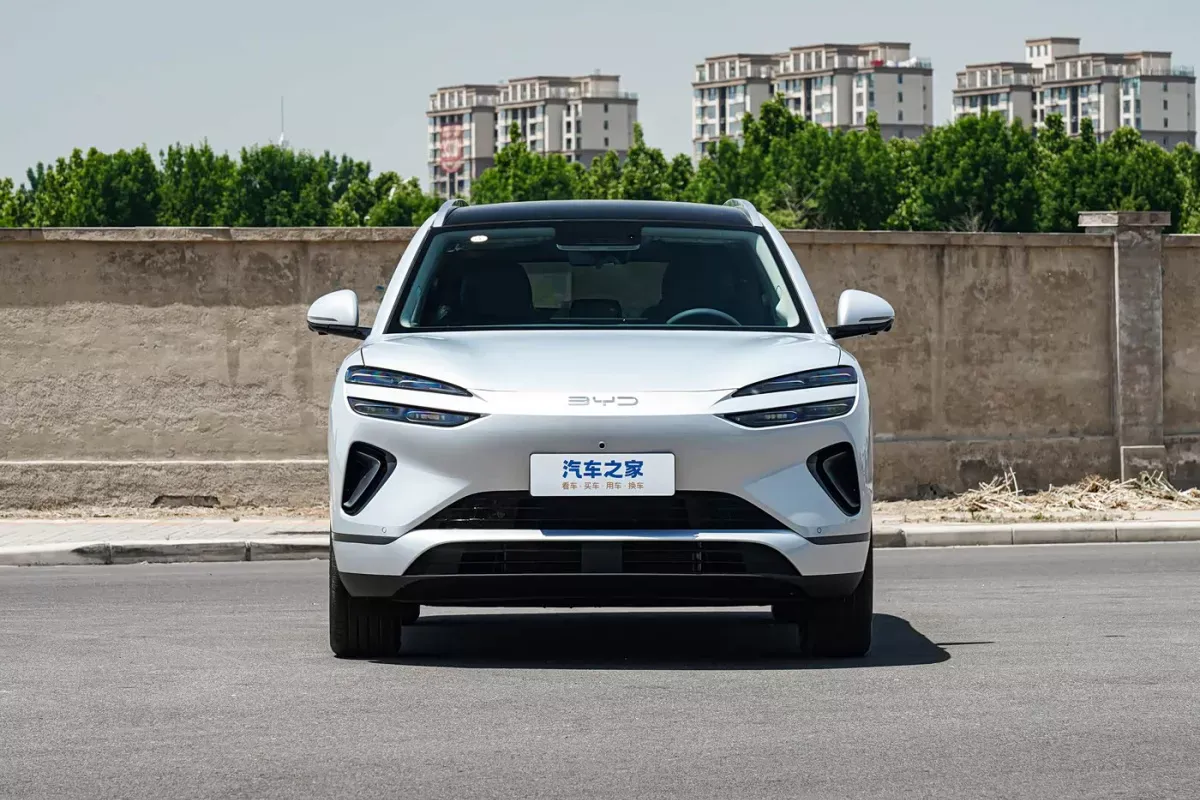
Family Hybrid Crossover Under $35,000: What to Look For
For a family, a plug-in hybrid is chosen by a few things: how many kilometers it runs on electricity, how much cargo space it has, and how you will charge it at home. Below are five models from the EV House catalog with a base price under $35,000.

Families buying a plug-in hybrid crossover most often ask one question: will the electric range be enough to avoid refueling every day, and will everything they need to carry with the kids fit? The EV House catalog has several models priced "from" under $35,000, but the price tag only tells part of the story.
Below are the criteria I look at first with buyers, and a table with five crossovers. Prices are the "from" prices in the EV House catalog: this is the base trim, and higher trims may cost more, so please check their cost with a manager.
Electric range: calculate from your daily drive
Every PHEV's spec sheet lists two ranges: on electricity and total, with a full tank. For a family, the first one matters more. If your daily route, meaning kindergarten, work, shops and back, is 40–60 km, a battery good for 100–130 km usually covers two or three days without gasoline. Longer trips are then handled by the engine and the tank.
The catalog figures are based on the CLTC cycle, which is optimistic. For planning, assume less than the spec sheet says, especially in winter, when cabin heating takes a noticeable share of the charge. For the Starship 7 EM-i's stated 135 km, real range in cold weather will be noticeably lower, so it is better to check the exact figure on your own route.
Higher trims with a bigger battery make sense if you regularly drive more than 50 km a day or want to look for a socket less often. The Sea Lion 05 DM-i in the 305 km version has a 34.28 kWh battery versus 26.6 kWh in the 220 km version. Ask a manager about the surcharge for the higher trim, because the catalog only lists the base price. If you want to calculate how much fuel your hybrid uses in your driving style, start with the article on real plug-in hybrid fuel consumption.
Battery and charging at home
All five models on this list have an LFP (lithium iron phosphate) battery. For a family car this is convenient: this chemistry is more stable and less sensitive to regular charging to 100%. Across the trims in the table, battery capacity ranges from 9.11 to 38 kWh, and a bigger battery means more weight and a higher price.
Charging a PHEV differs from charging an EV: the battery is smaller, so it fills overnight, but not in half an hour. In the catalog, the Starship 7 EM-i charges in 6 hours on slow mode, the Galaxy L7 in 3 hours. For most families this is not a problem if there is room for a socket or wallbox. There is a separate article on choosing between them, and it is worth reading before installation, because a home socket and a wallbox have different electrical requirements.

Space for the family: trunk, rear row and tank
The catalog lists cargo space with two figures: with the rear seats folded and with the seats in place. The difference is large. In the Starship 7 EM-i it ranges from 528 to 2065 liters, in the Galaxy L7 from 650 to 1790. The Sea Lion 05 DM-i and Sea Lion 06 DM list a single figure, 650 and 695 liters, so ask a manager how it was measured.

Load floor height, opening width and sill height affect convenience more than a difference of 50 liters. Before buying, it is better to come to the showroom with a stroller or child seat and check it by hand.
Fuel tank capacity in the list ranges from 51 to 65 liters. For a hybrid, it covers long trips when the battery is already empty. The Sea Lion 05 DM-i with 65 liters is the most convenient here, but a 14-liter difference will change little if a gas station is near you.
Small details matter on cold mornings. Battery preconditioning is available on all five models, and it helps both charging and comfort. Heated steering wheel is listed only in the higher trims of the Starship 7 EM-i and Sea Lion 06 DM. If you drive children to school in the dark, this option matters more than it seems on the showroom floor.
Comparison of five crossovers under $35,000
I am including crossovers whose base price in the EV House catalog does not exceed $35,000. Where trims differ, I give a range. A dash means the catalog has no value for that figure.
| Parameter | Geely Starship 7 EM-i | BYD Song Pro DM-i 2025 | Geely Galaxy L7 | BYD Sea Lion 05 DM-i | BYD Sea Lion 06 DM |
|---|---|---|---|---|---|
| Catalog "from" price | $24,800 | $25,800 | $28,000 | $27,000 | $31,900 |
| Electric range (CLTC), km | 130–135 | 133–220 | 55–115 | 220–305 | 205–310 |
| Total range (CLTC), km | 1505–1510 | 1600 (220 km versions) | 1310–1370 | 2020–2105 | 1705–1845 |
| Battery, kWh | 19.09 | 18.3–26.6 | 9.11–18.7 | 26.6–34.28 | 26.6–38 |
| Hybrid type | Series-parallel | Series-parallel | Parallel | Series-parallel | Series-parallel |
| Fuel consumption per 100 km (WLTC), L | 4.5–4.7 | 4.55–4.58 | 5.23 | 4.3–4.5 | 4.65–4.7 |
| Power, kW/hp | 175/238 | 120/163 | 107/146 | 120/163 | 160/218–175/238 |
| 0–100 km/h, s | — | 8.4–8.5 | — | 8.4–8.6 | 7.8–7.9 |
| Charging slow/fast, h | 6/0.33 | 5.36/0.57 or 4/0.33 | 3/0.5 | — | — |
| Cargo space, L | 528–2065 | 530–1482 | 650–1790 | 650 | 695 |
| Length, mm | 4740 | 4735 | 4700 | 4620 | 4810 |
| Fuel tank, L | 51 | 52 | 60 | 65 | 60 |
| LFP battery | Yes | Yes | Yes | Yes | Yes |
Four models in the table use a series-parallel layout, and the Galaxy L7 uses a parallel one. We explain the differences between these systems in the article on DM-i, EM-i and EREV, but the key point here is that these hybrids will feel noticeably different on the highway and in town.
Which of these crossovers to consider first
The table does not decide for you, but it shows where each model is stronger.
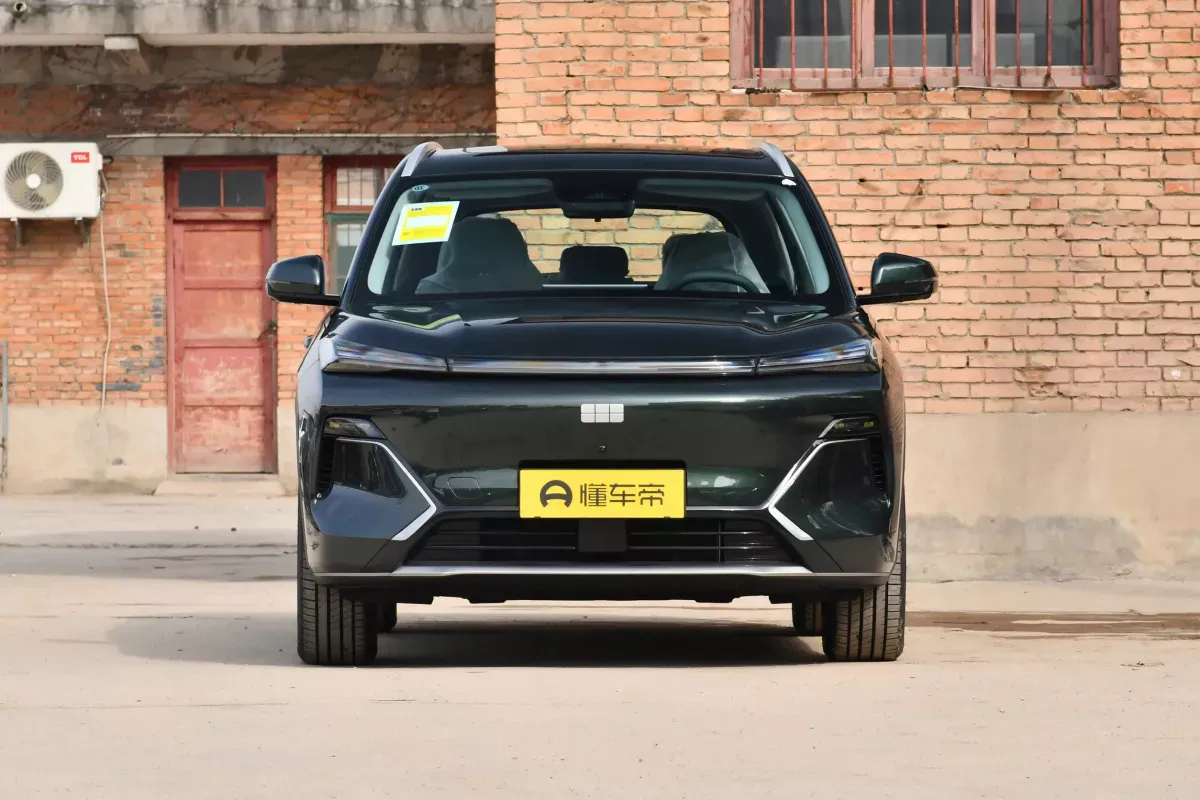
- Geely Starship 7 EM-i — the cheapest on the list, with the largest cargo space when the seats are folded and an electric range of 130–135 km. Battery 19.09 kWh, slow charging 6 hours. If you have a garage or a socket nearby, charging takes one night.
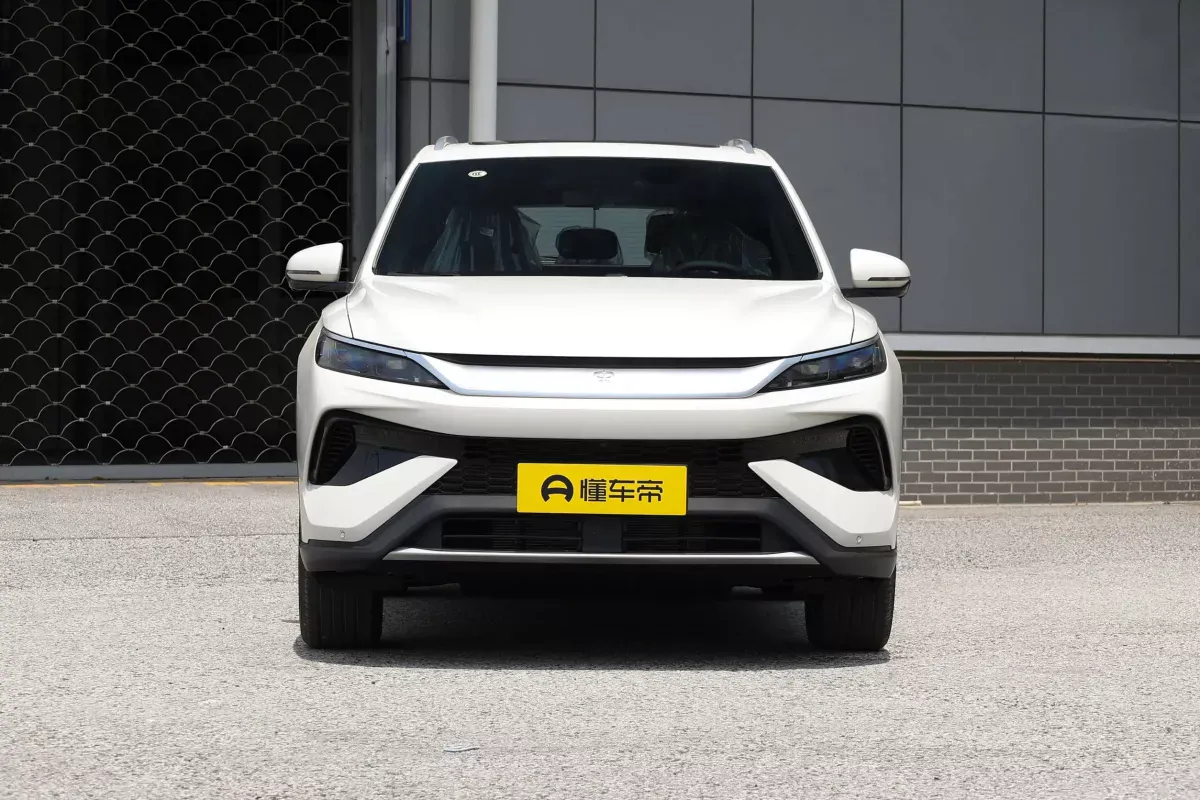
- BYD Song Pro DM-i 2025 — the 220 km version gives a total range of 1600 km (CLTC) and a 26.6 kWh battery. The 133 km version has less electric range, so it suits you if electricity is mainly needed for city driving.
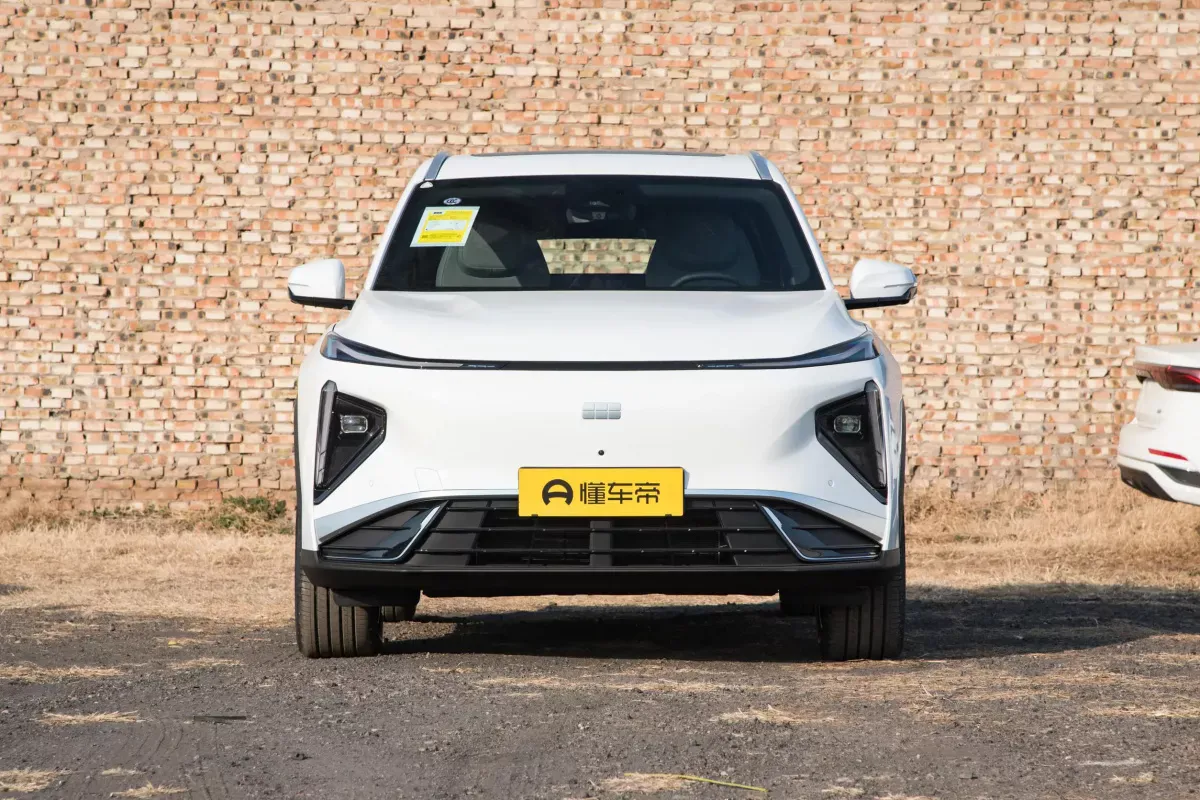
- Geely Galaxy L7 — parallel layout, the smallest electric range on the list, but cargo space of 650–1790 liters and a 60-liter tank. For those who mostly drive in the city, this car may prove more convenient than its price tag suggests.
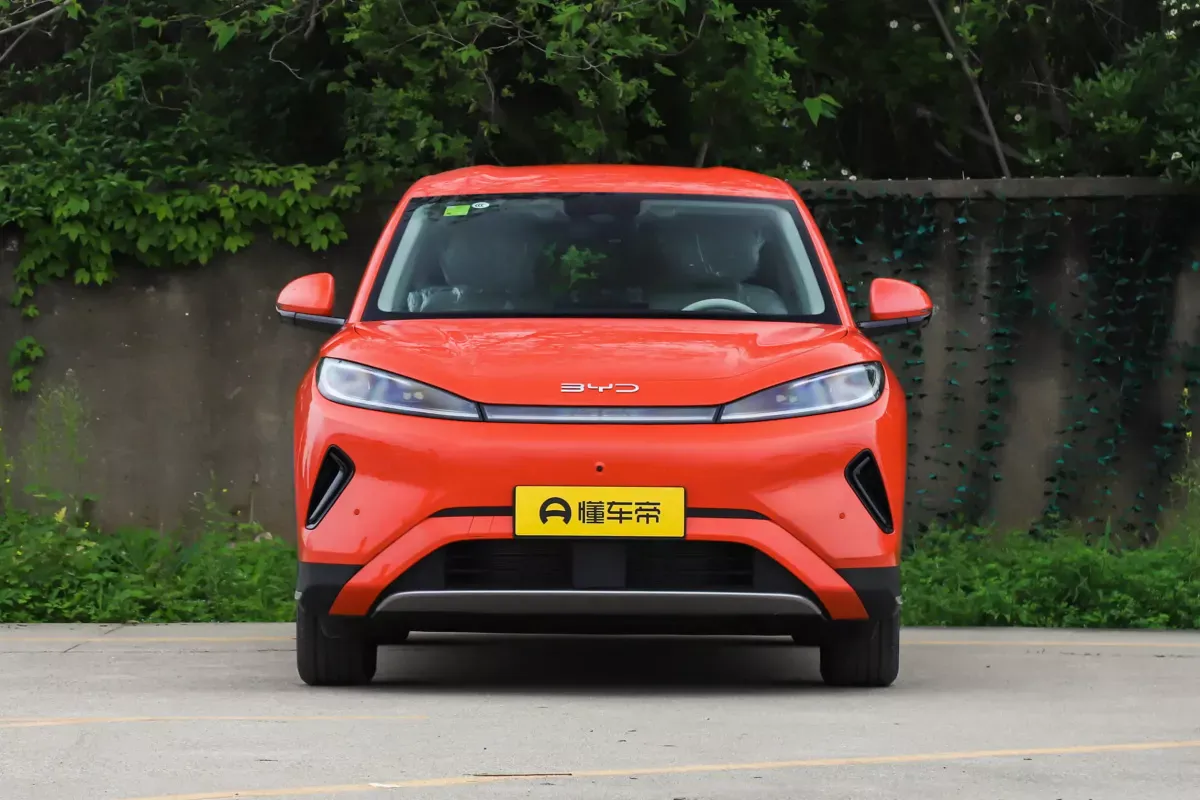
- BYD Sea Lion 05 DM-i — the shortest body on the list, 4620 mm, a 65-liter tank and the 305 km version with a 34.28 kWh battery. Consumption 4.3–4.5 L/100 km (WLTC). A good choice if maneuverability in a city courtyard and a larger electric range matter.
- BYD Sea Lion 06 DM — the largest body among these models, 4810 mm, and 695 liters of cargo space. For the 310 km version with a 38 kWh battery there is no separate price in the catalog, so keep the $35,000 budget in check here and confirm the cost with a manager. This is a choice for those who often drive longer distances and want to think about refueling less often.
What to check before buying
- Electric range for your route, adjusted for cold weather.
- A place to charge at home and the state of the electrical system in the house.
- Cargo space with a stroller or child seat at the showroom.
- The trim and price of the specific version, because "from" refers to the base trim.
- A test drive in town and on the highway, because the layout and drive character differ for each model.
Conclusion
For most families with a daily drive of up to 50–60 km, a sensible starting point is a battery of 18 to 27 kWh and an electric range of at least 130 km (CLTC), adjusted for winter. If you drive further, look at versions with a bigger battery, but calculate their price separately. Choosing between the Starship 7, Song Pro and Sea Lion 05 depends on how much you drive on electricity and how much cargo space you need.
All hybrids from the catalog are gathered on the hybrids page. If you want to see the models in person or calculate what home charging will cost for your route, write or call EV House: +380 66 088 93 20. We will help you choose a version without pressure, and the decision will be yours.
FAQ
Can a PHEV with 135 km of electric range really be driven without gasoline?
Yes, if your daily route is shorter than the real electric range. For calculations, use not the 135 km from the spec sheet but a lower figure, especially in winter. The 51-liter tank covers long trips, so the hybrid won't leave you without options.
Is a regular socket enough to charge a hybrid at home?
For a battery up to 27 kWh a regular socket can work, but charging takes hours, so have an electrician check the socket before installation. For regular charging a wallbox is more convenient. More details on choosing between them are in a separate blog article.
How does a parallel hybrid differ from a series-parallel one?
The catalog shows this in the "Hybrid type" row: the Galaxy L7 has a parallel layout, and the other four models in the table are series-parallel. It is best to discuss the difference in behavior on the highway and in town with a manager and try both systems on a test drive.
Can I stay within $35,000 if I need a bigger battery?
It depends on the trim. The catalog "from" price refers to the base version, while higher trims with a bigger battery cost more. Check the exact price of a specific trim with an EV House manager, as prices may change.