Real Plug-in Hybrid Fuel Consumption: When It Saves Money and When It Doesn't
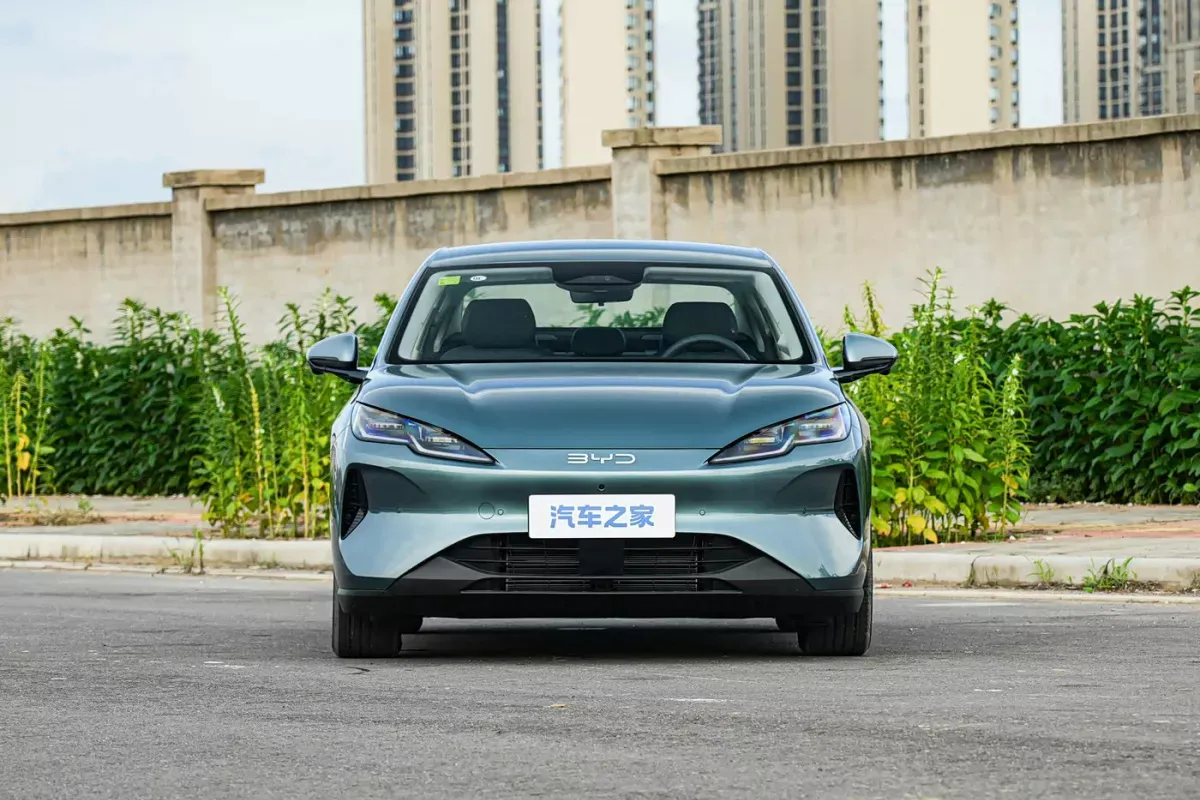
The rated 3.63 L/100 km of the BYD Seal 06 DM-i is a laboratory figure. Below is what determines consumption and how much it comes to per month in mixed city and highway driving.

Rated figures for a plug-in hybrid are measured on the standard WLTC cycle, while you drive your own roads, in your own weather and with your own driving style. So the gap between the 3.63 L/100 km in the catalogue and 7 L on a winter highway doesn't mean anything was hidden. The test cycle and your typical day are simply different things.
A plug-in hybrid has two energy sources, and real consumption depends on which one does most of the work over the distance. While the battery is charged, the car runs on electricity and barely uses any petrol. When the charge runs out, the engine switches on, and then consumption depends on speed, temperature and load. Below we cover the three main factors, and at the end we calculate a monthly example for the BYD Seal 06 DM-i. We explained DM-i and EREV technology in detail in a separate article, so here we focus only on the practical side.
Where the 3.63 L on paper comes from
In the EV House catalogue, the minimum fuel consumption for the BYD Seal 06 DM-i in the 230 km version is listed as 3.63 L per 100 km on WLTC, and the electric range on CLTC is 230 km. Both figures are obtained in the laboratory under a scenario where the battery is full at the start of the cycle and part of the route is driven at low speeds. The CLTC range is also optimistic, so the real electric range will be lower.
In other words, 3.63 L is the result of a specific scenario, and on your route the figure will be different. Next you'll see how three things that usually don't appear on the spec sheet change this number.

Charging: the main savings switch
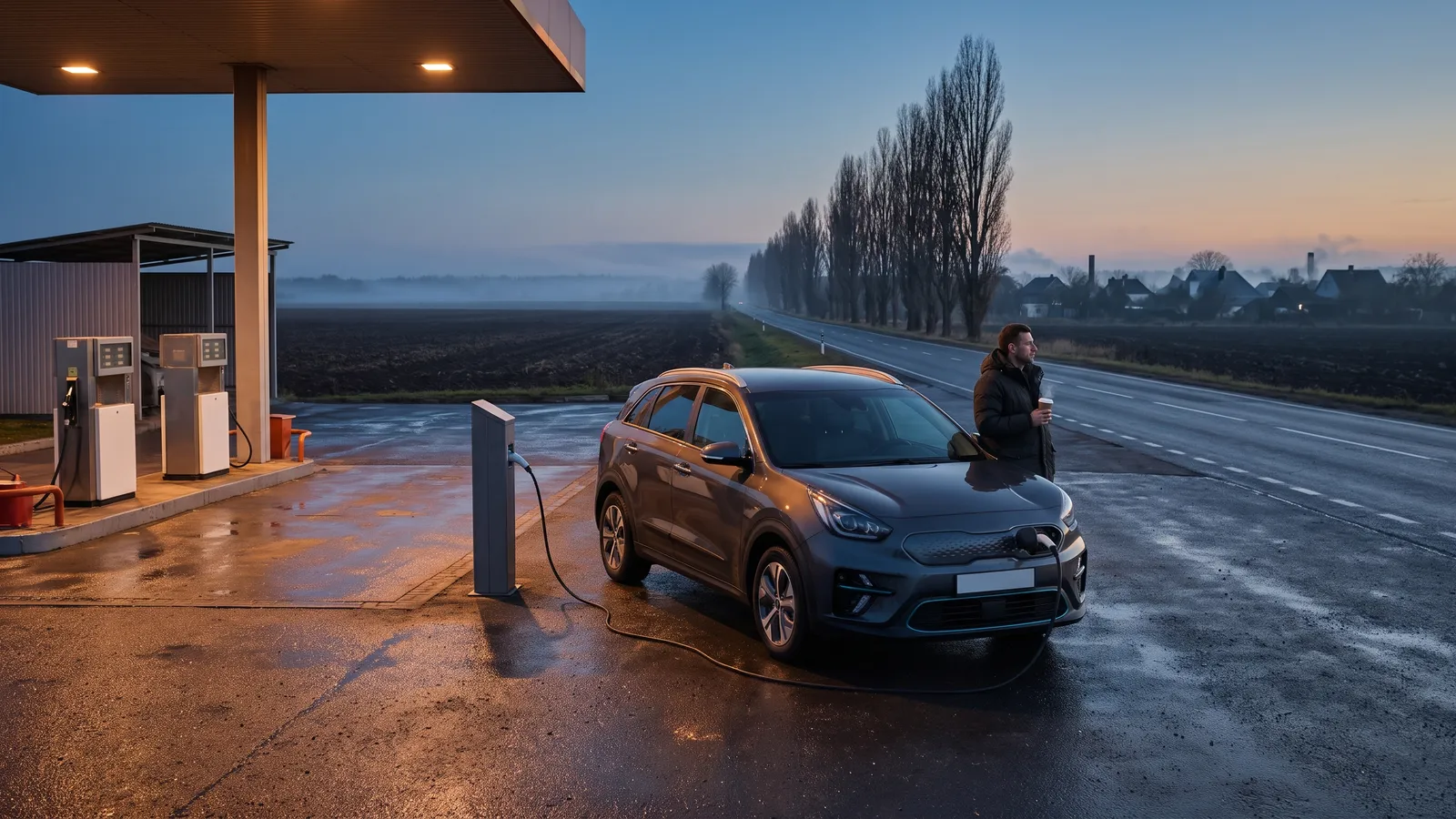
A hybrid saves exactly as much as the kilometres it covers on electricity. So the first question is whether you have a place to charge every night. If you do, most city trips run without petrol, and you save refuelling for long routes.
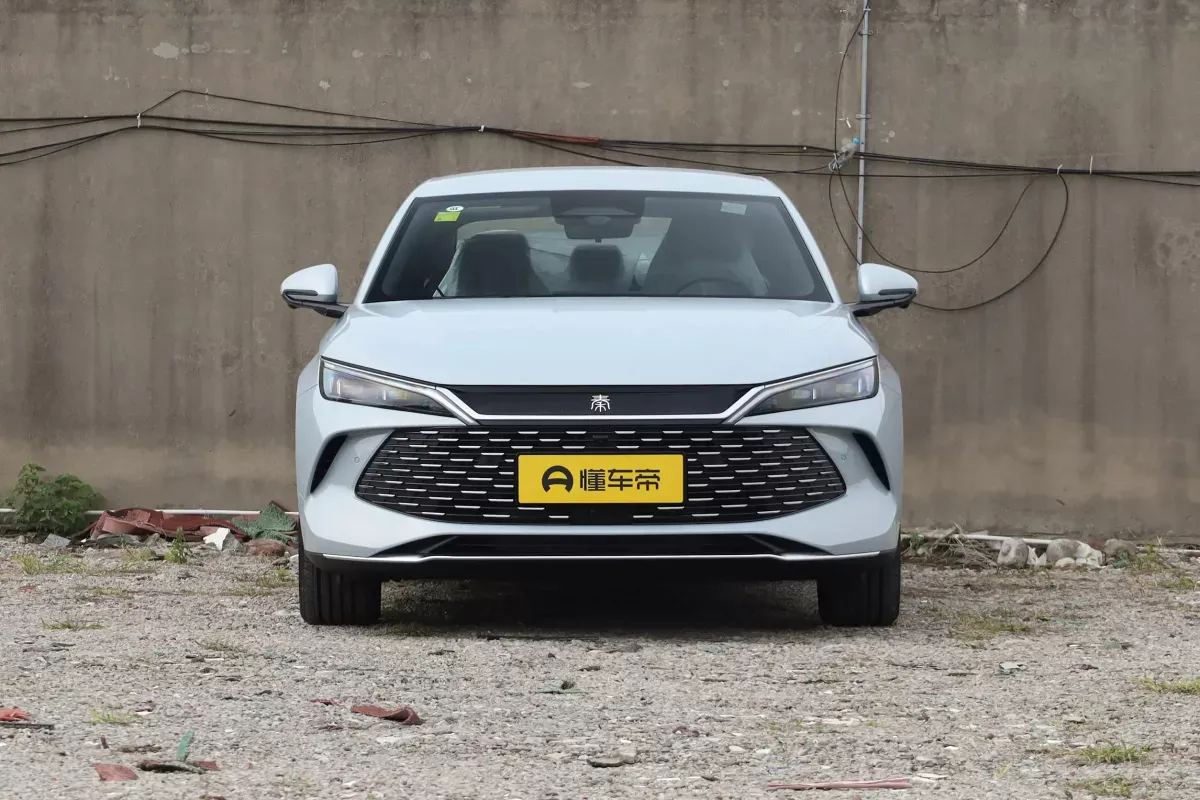
Battery size determines how much electric range one charge gives. The 210 km version of the Qin L DM-i has a 25.2 kWh battery, and slow charging is listed in the EV House catalogue as 3.8 hours. The 320 km version of the Seal 06 DM-i has a 34.27 kWh battery, so from one socket it will provide more electric kilometres. A bigger battery is only useful when you can actually fill it.
A hybrid that is rarely charged carries a battery and an engine at the same time. You pay for this with weight and complexity, and you barely see the benefit of electric driving. Consumption then gets closer to a full hybrid, and it's worth calculating this in advance.

Highway: when the engine works almost all the time
At 110–130 km/h air resistance rises quickly, and the battery gives up energy much faster than in the city. Once the charge is used up, the engine runs constantly, and the hybrid behaves like a regular hybrid with a small battery. In the calculation below we use a notional 6.5 L/100 km on the highway. This is a conventional reference point for the example.
Two details matter more than they seem. If you set off with a full battery, the first kilometres of highway will still be on electricity. And the difference between 100 and 130 km/h in petrol consumption is noticeable, so highway speed is the simplest way to get closer to the rated figure.
Winter: two hits at once
Cold hits the battery from two sides. It gives up less energy, and cabin heating and battery warming draw from the same reserve. So in frost the car runs noticeably fewer kilometres on electricity than the catalogue suggests, and the engine kicks in earlier, especially on short trips when it hasn't warmed up. Battery pre-conditioning, available on the Seal 06 DM-i and Qin L DM-i, helps when the car is plugged in.
How winter affects range and what to do about it is covered in a separate article. For us the key point is this: in winter the share of electric driving falls, and savings fall with it. In the calculation below we use a notional 110 km of electric range in winter instead of 157 km in summer.
Worked example: a month and 1500 km
We take the BYD Seal 06 DM-i 230 km (from $27,400 in the EV House catalogue) and a notional 1500 km per month: 900 km in the city and 600 km on the highway. The assumptions are:
- One full charge from a socket is notionally 22 kWh. City consumption is 14 kWh/100 km in summer and 20 kWh/100 km in winter, including charging losses. This gives about 157 km of electric range in summer and 110 km in winter.
- In the city, 30 km daily, so the battery is charged every night and there is enough electricity for each trip.
- Highway: 6.5 L/100 km. City without a socket: notionally 4.8 L/100 km, and this value is used for the third row of the table.
- Prices: UAH 4 per kWh of home electricity and UAH 60 per litre of petrol. These are assumptions; substitute your own tariffs.
The result looks like this:
| Scenario | Electricity | Petrol | Total per month |
|---|---|---|---|
| Summer, charged nightly | 126 kWh, UAH 504 | 39 L, UAH 2,340 | UAH 2,844 |
| Winter, charged nightly | 180 kWh, UAH 720 | 39 L, UAH 2,340 | UAH 3,060 |
| No charging, city on petrol | 0 | 82.2 L (43.2 in the city and 39 on the highway), UAH 4,932 | UAH 4,932 |
The highway costs UAH 2,340 in all three scenarios, and in the summer scenario it accounts for most of the expense. Converted to a cost per 100 km, this is about UAH 190 in summer, about UAH 205 in winter and about UAH 330 without a socket. For comparison, a car with an average consumption of 7 L/100 km at the same prices would cost UAH 6,300 per month. This is a model, not a forecast for your car, but it shows clearly what changes the total.
When a plug-in saves and when it doesn't
Savings appear when three things hold: you have a socket or wallbox, daily trips are shorter than the electric range, and long highway trips are rare. If any one of these is not met, the benefit shrinks.
- Saves: city driving, overnight charging, trips of 30–60 km per day.
- Saves partially: mixed city and highway driving, winter, no charging during the day.
- Doesn't save: mostly highway, no socket, frequent short trips without charging.
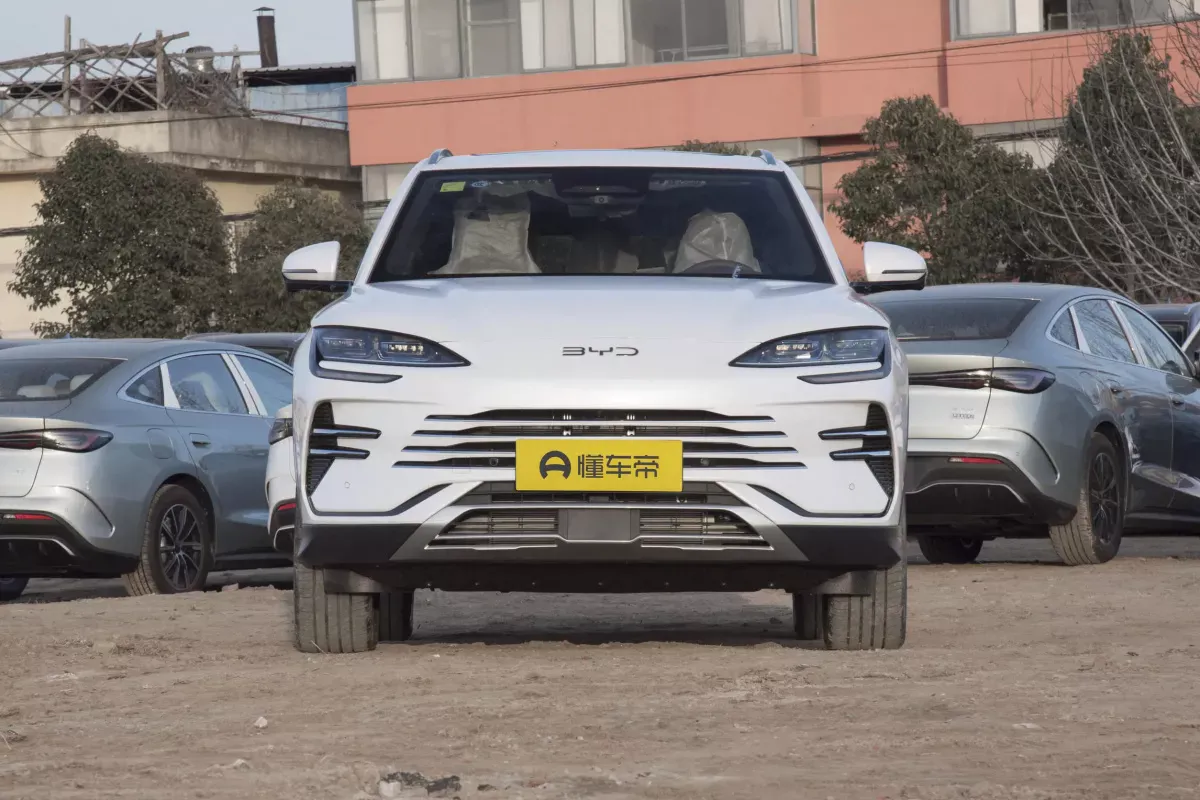
If you mainly drive on the highway, look first at WLTC consumption and tank size rather than electric range. For example, the 112 km version of the BYD Song Plus DM-i has a rated consumption of 4.95 L/100 km, and for an almost daily highway routine this figure matters more than 112 km of electric range. Before choosing, describe your usual route to the manager: it determines how much electric range you really need.
What to do to get closer to the rated figure
- Charge every night from a socket or wallbox, even when the battery is half full. For connection options see our charging solutions page.
- Set off on long highway trips with a full battery.
- On the highway keep 100–110 km/h instead of 130: the difference in petrol is noticeable.
- In winter, plug the car in before a trip so the battery warms up from the grid.
The rated 3.63 L of the BYD Seal 06 DM-i is a reference point from which we calculate your daily route. A plug-in hybrid really does save money when you charge it every day and drive mostly in the city. On the highway and in winter the difference shrinks but doesn't disappear. To calculate your own route, write to us or call +380 66 088 93 20. The manager will check the numbers with you and suggest which hybrids suit your mileage.
FAQ
Why does the real consumption of a plug-in hybrid differ from the rated figure?
The rated figure is measured on WLTC under specific conditions, including a full battery and an averaged cycle. Your consumption depends on how many kilometres you cover on electricity, as well as speed and temperature. That's why the same model can show very different figures on city trips with a socket and on a winter highway.
Can you drive a plug-in hybrid without charging it?
You can, but then it works like a hybrid carrying extra battery weight. Consumption will be higher than the rated figure, and there will be almost no savings from electricity. If you have no socket, it's worth comparing a plug-in with a full hybrid, which has a smaller battery and doesn't need charging.
How much does it cost to charge a plug-in hybrid at home?
It depends on your supplier's tariff and the battery capacity. The article's example uses UAH 4 per kWh, which is an assumption; your current tariff may be different. The exact amount is shown in your contract or electricity bill, and there is a separate blog article on home charging options.
How much does winter reduce electric range?
There is no exact figure for every car, as it depends a lot on temperature, heating and driving style. In our example, electric range in winter is about 110 km instead of 157 km in summer, roughly a third less. For your conditions, it's best to check with the manager or test on a trial drive.