EV Range in Winter: What to Expect and How to Save Kilometers
In winter, an electric car covers less distance — that's normal and predictable. We break down exactly how much range drops, where the losses come from and how to win back some of those kilometers.
The first winter with an electric car often starts with a mild shock: yesterday the trip computer promised 450 km, and today, after a night in the frost, it shows 330. The battery isn't broken and isn't "wearing out before your eyes". That's just physics, and you can work with it.
This article contains no scare stories and no advertising promises: just how many kilometers you really lose, why it happens and which simple habits help you drive calmly through the winter.
How much range drops in freezing weather
Here's a rule of thumb: at around zero degrees, an electric car travels roughly 15–25% less than in summer. At −10…−15 °C, losses usually reach 25–40%, and on a fast highway with the heating on they can be even greater. The exact figure depends on the model, battery chemistry, speed, trip length and how warm you like the cabin.
There's one more important thing to understand: the range in the specifications of Chinese electric cars is stated according to the CLTC cycle. It's lenient and designed around calm city driving, so even in summer real-world range is about 70–80% of the claimed figure. In winter, for mixed driving, it's worth planning on about 50–65% of the CLTC figure.
Why an electric car travels less in winter
There are several reasons, and they add up:
- Cold battery. Chemical processes in lithium-ion cells slow down in the cold. The battery management system limits power and regenerative braking to protect the cells, so part of the energy is simply unavailable until the battery warms up.
- Cabin heating. In a petrol car, heat is a by-product of the engine running. In an electric car, the cabin is heated with electricity from the same battery, and on short trips this can be the biggest energy expense.
- Heating the battery itself. To work efficiently and charge quickly, the battery is kept within its operating temperature range — which also takes energy.
- Tyres, air and road. Winter tyres have higher rolling resistance, cold air is denser, and snow and slush add resistance. On top of that, tyre pressure drops along with the temperature.
Short trips lose the most: every time, the car heats the cabin and battery from scratch. On a long journey, a warmed-up battery works more efficiently and the percentage of losses is noticeably lower.
LFP or NMC: does battery chemistry matter?
In our catalog you'll see two main battery types: lithium iron phosphate (LFP) and "ternary" nickel-based (NMC). LFP batteries are durable and safe but more sensitive to cold: in freezing weather they deliver energy more slowly and, in particular, accept charge more slowly. NMC copes better with the cold and usually has a higher energy density.
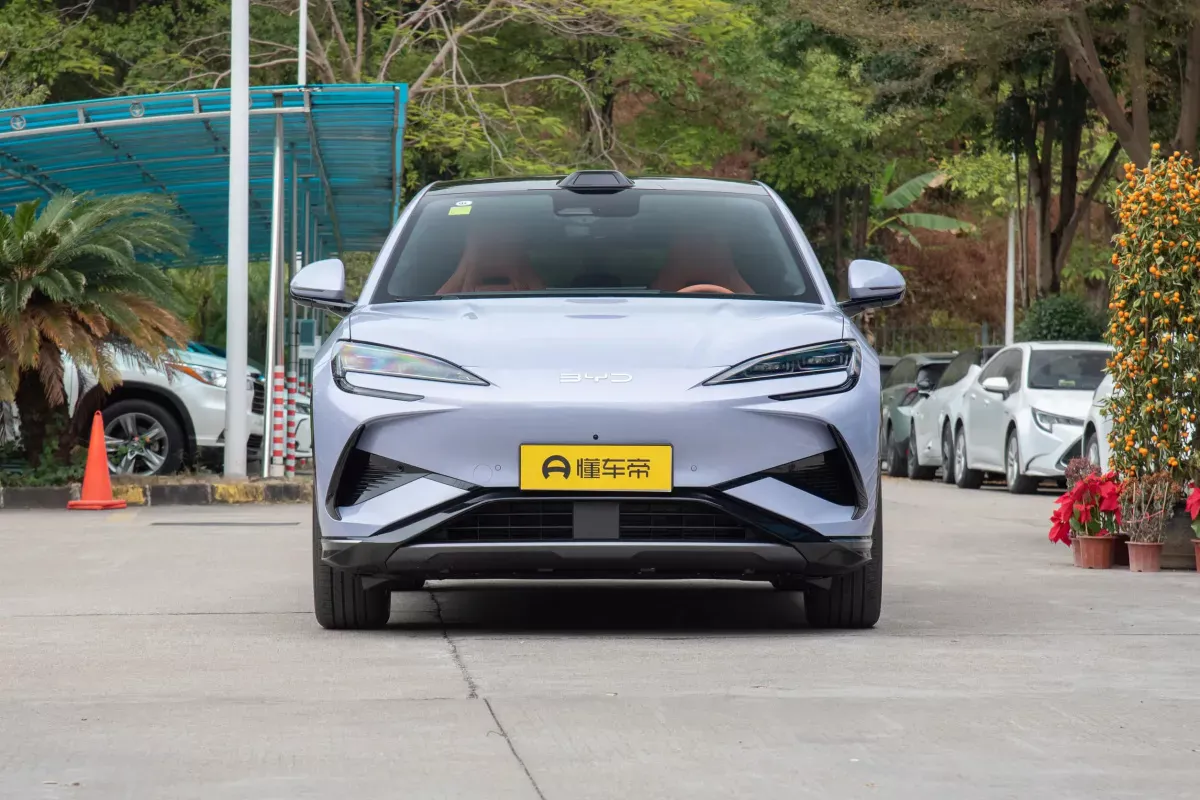
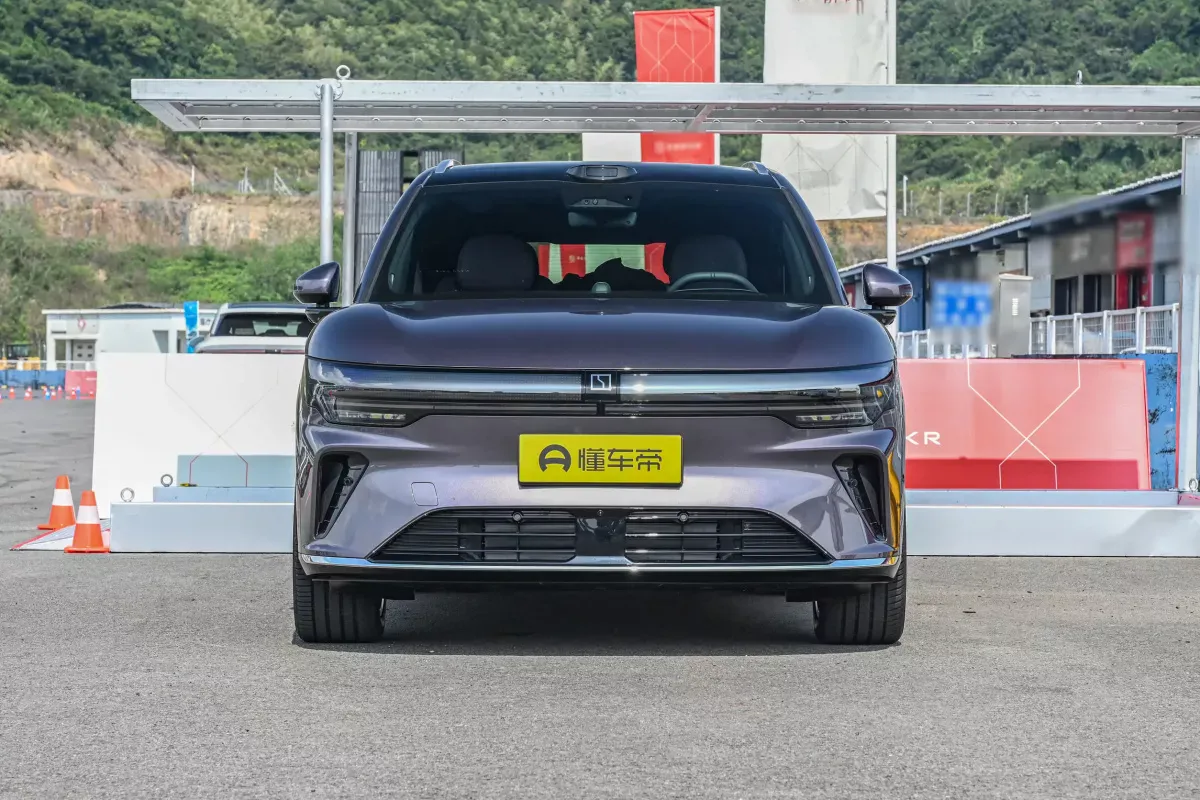
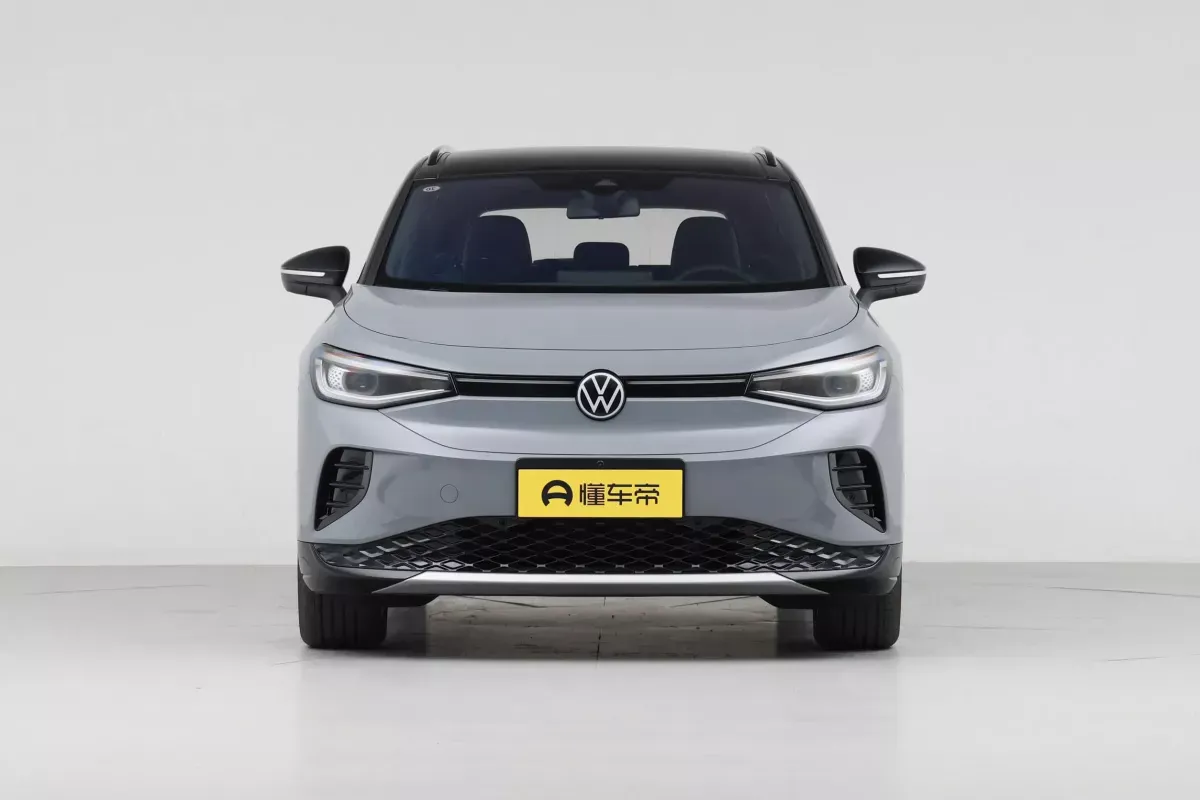
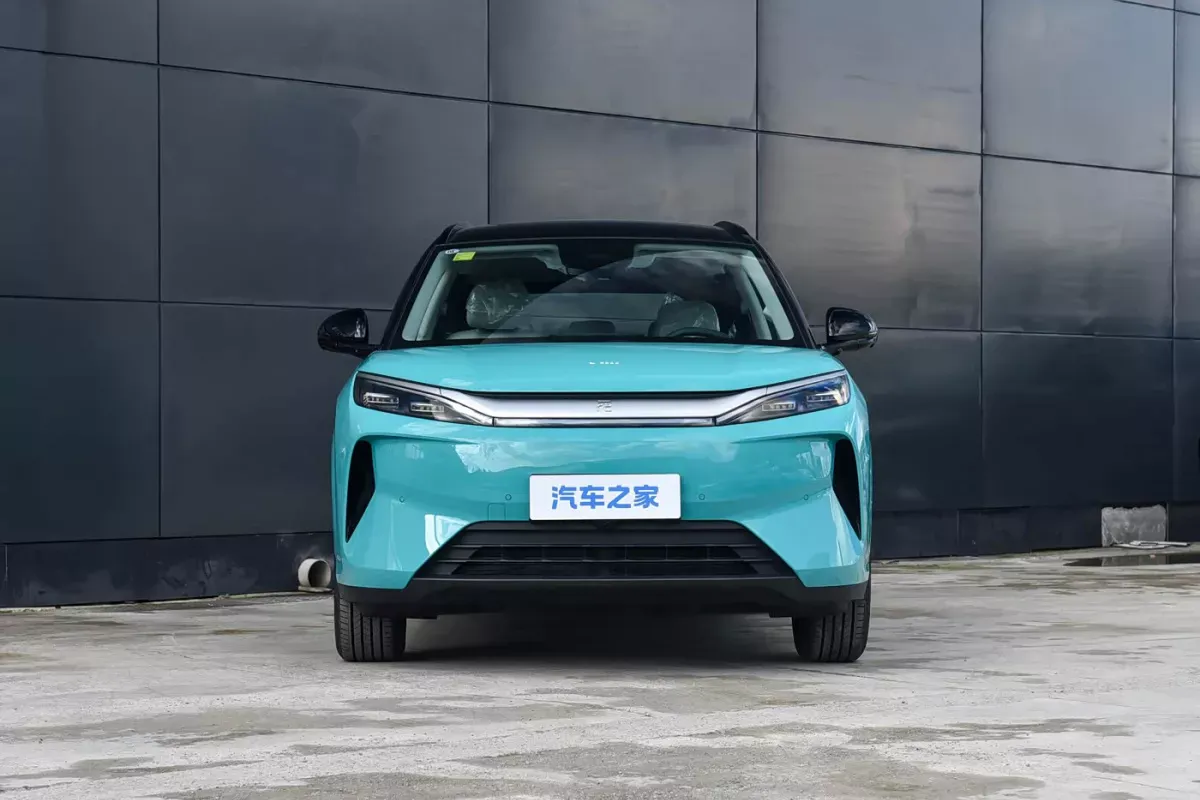
This doesn't mean LFP isn't suitable for Ukraine. Modern cars with these batteries have a preheating system, and with the right habits the difference in everyday life is small. For example, the BYD Sea Lion 07 and BYD Yuan Plus use LFP, the Volkswagen ID.4 Crozz uses NMC, and the Zeekr 7X is offered with both options depending on the trim. All four models have a battery preheating function.
How far popular models really go in winter
We calculated an approximate winter range for mixed driving at −5…−10 °C as 50–65% of the claimed CLTC figure. This isn't a promise but a planning range: calm city driving in a warmed-up car will give you the upper limit, while a fast highway and short trips in the frost will give you the lower one.
| Model | Battery | Type | CLTC, km | Winter, approx. |
|---|---|---|---|---|
| BYD Yuan Plus 630KM | 68.5 kWh | LFP | 630 | 310–410 km |
| BYD Sea Lion 07 610 | 80.6 kWh | LFP | 610 | 300–400 km |
| VW ID.4 Crozz Pure+/Pro | 80.4 kWh | NMC | 601 | 300–390 km |
| Zeekr 7X 2WD 103 kWh | 103 kWh | NMC | 802 | 400–520 km |
For most people who drive 40–80 km a day, this range is enough for several days without charging, even in freezing weather. The question isn't "will I make it", but how to conveniently fit charging into your routine.
How to save kilometers: tips that work
Warm up the car while it's charging
This is the most effective habit. Turn on cabin and battery preconditioning from the app or with a timer 15–30 minutes before you leave, while the cable is still plugged in. The energy for warming up will come from the grid rather than the battery, and you'll get into a warm car with a full charge.
Heat people, not the air
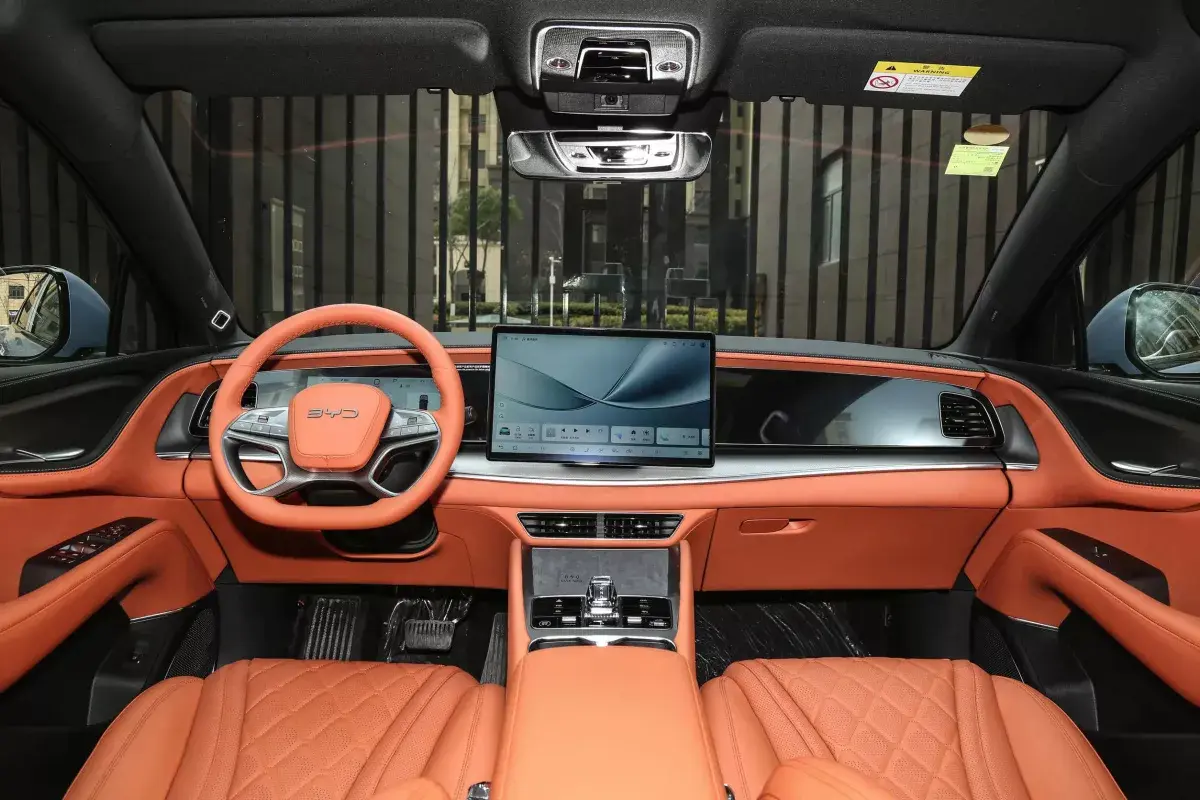
Heated seats and a heated steering wheel use many times less energy than blowing hot air into the cabin. Often it's enough to set the climate control to 19–20 °C and turn on the seat heating. Some trims also have a heated steering wheel — for example, the BYD Sea Lion 07 from the 610 Intelligent version, the VW ID.4 Crozz from Pure+, and the Zeekr 7X in all versions.
Charge right after a trip
After driving, the battery is warm and accepts charge faster. If you're heading to a fast charger, set it as the destination in the navigation: many models will then preheat the battery on the way, and charging will be noticeably faster.
Keep the charge in a comfortable range
For daily driving, charging to 80–90% is enough, and before a long trip — to 100%. Don't leave the car out in the frost for long with an almost empty battery: the system needs energy to protect the battery, and a 20–30% reserve in winter is a sensible cushion.
Tyres, speed and driving mode
- Check your tyre pressure every two weeks: it drops as the temperature falls, and consumption rises with it.
- On the highway in winter, the difference between 110 and 130 km/h can mean dozens of kilometers of range.
- Eco mode and smooth acceleration help, and regenerative braking will work at full strength as soon as the battery warms up.
A garage or parking garage is a bonus
Even an unheated underground car park is warmer than the street. The battery cools down less overnight, and in the morning the car uses less energy to warm up.
Home charging makes winter easy
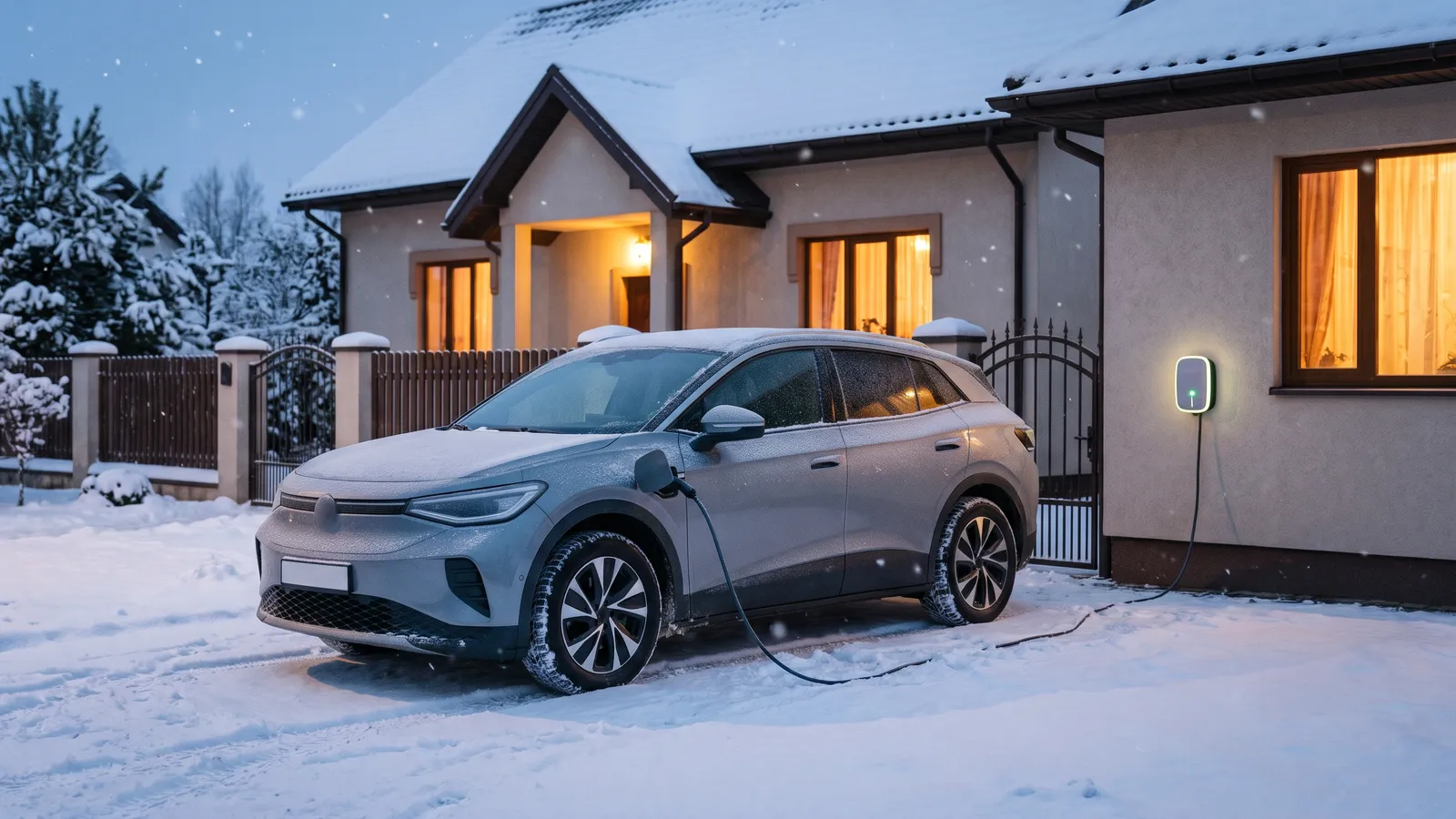
Those who charge at home have the most comfortable winter. A 7–11 kW wallbox fully replenishes the battery overnight, lets you warm up the car from the grid and frees you from queues at public stations. If you're planning a purchase, it's worth thinking about charging at the same time as choosing a car — we help select and install a home charging station suited to your electrical supply.

And if you'd like to check the condition of your car's battery before winter, our service center in Lutsk offers electric vehicle diagnostics.
Conclusion
Winter range losses are predictable and manageable. Plan on 50–65% of the CLTC figure, warm up the car from the grid, use the seat heating and charge after trips — and winter will no longer be a problem. If you're choosing an electric car and want to understand what range will be enough for you, write to us or give us a call — we'll compare models based on your routes.
FAQ
Does freezing weather harm an electric car's battery?
A normal Ukrainian winter doesn't harm the battery. The management system itself limits power and heats the battery to protect the cells. The only harmful thing is leaving the car in severe frost for a long time with a nearly zero charge.
Can you charge an electric car in freezing weather?
Yes, but a cold battery accepts charge more slowly, especially at fast-charging stations. It's best to charge right after a trip or turn on battery preheating by setting the charging station in the navigation.
How much energy does cabin heating use?
It depends on the temperature and the car, but on short trips in freezing weather heating can take up a noticeable share of energy. That's why it's better to warm up the cabin from the grid before leaving and use heated seats and the heated steering wheel.
Which battery is better for winter — LFP or NMC?
NMC copes better with the cold and charges faster in freezing weather. LFP is more durable and cheaper, and with preheating and the right habits the difference in everyday driving is small.