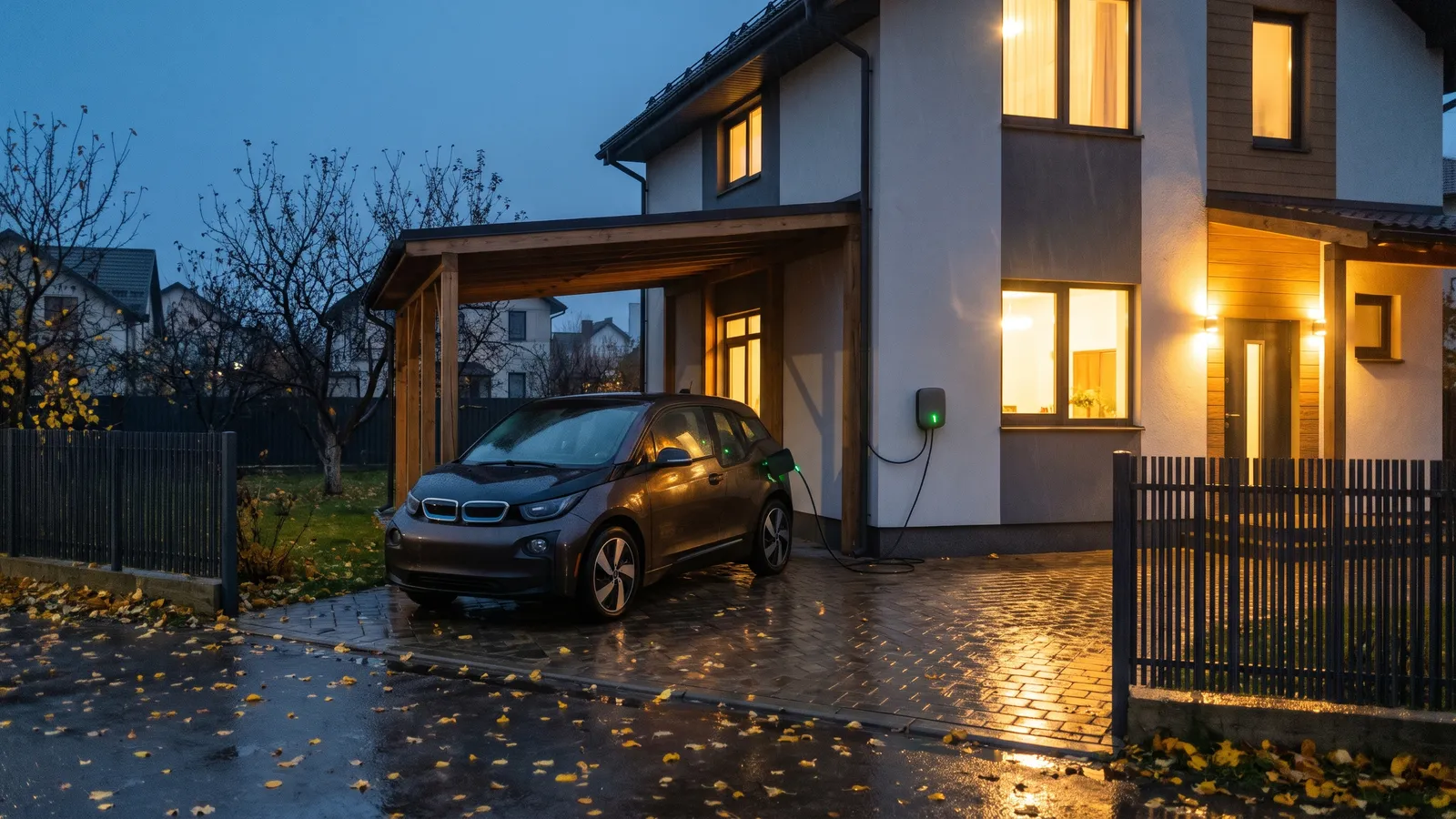
LFP or NMC: Which EV Battery Is Better for Ukraine
One line in the spec sheet, "lithium iron phosphate" or "ternary lithium", affects battery lifespan, winter range and charging habits. We explain what it means for a driver in Ukraine, without chemical formulas.
When you choose an electric car, the specifications list an inconspicuous line next to the battery capacity: "lithium iron phosphate" or "ternary lithium". The first means LFP, the second means NMC (nickel manganese cobalt, called ternary in Chinese specifications). This line matters more than it seems. It determines how many years the battery will retain its capacity, how the car behaves in frost, how quickly it charges on the highway and even what percentage you should charge it to at home.
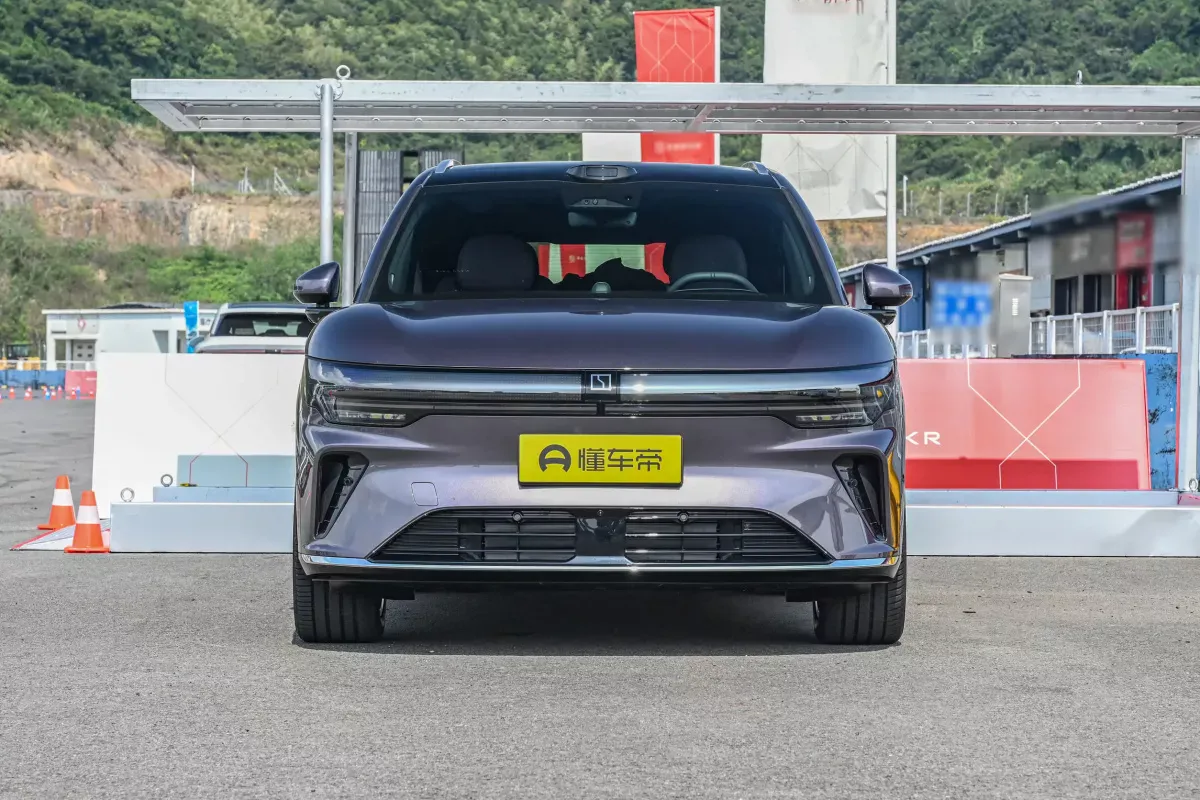
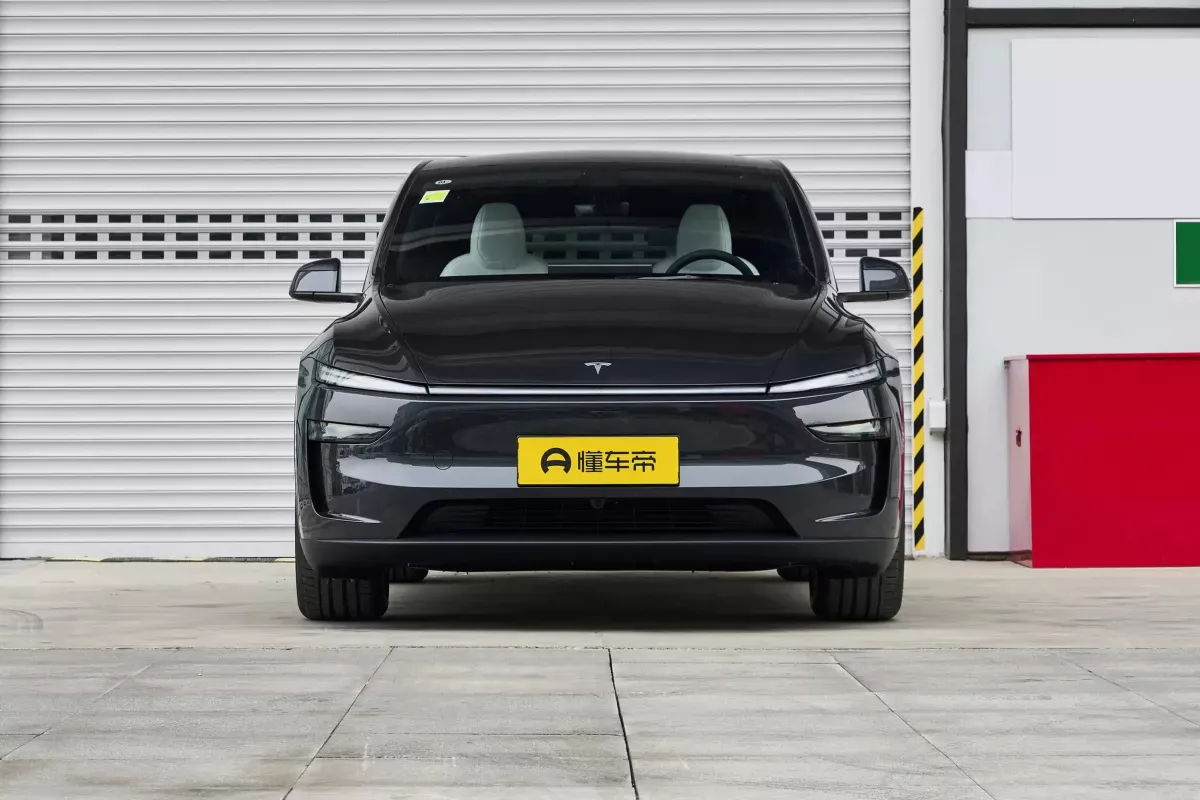
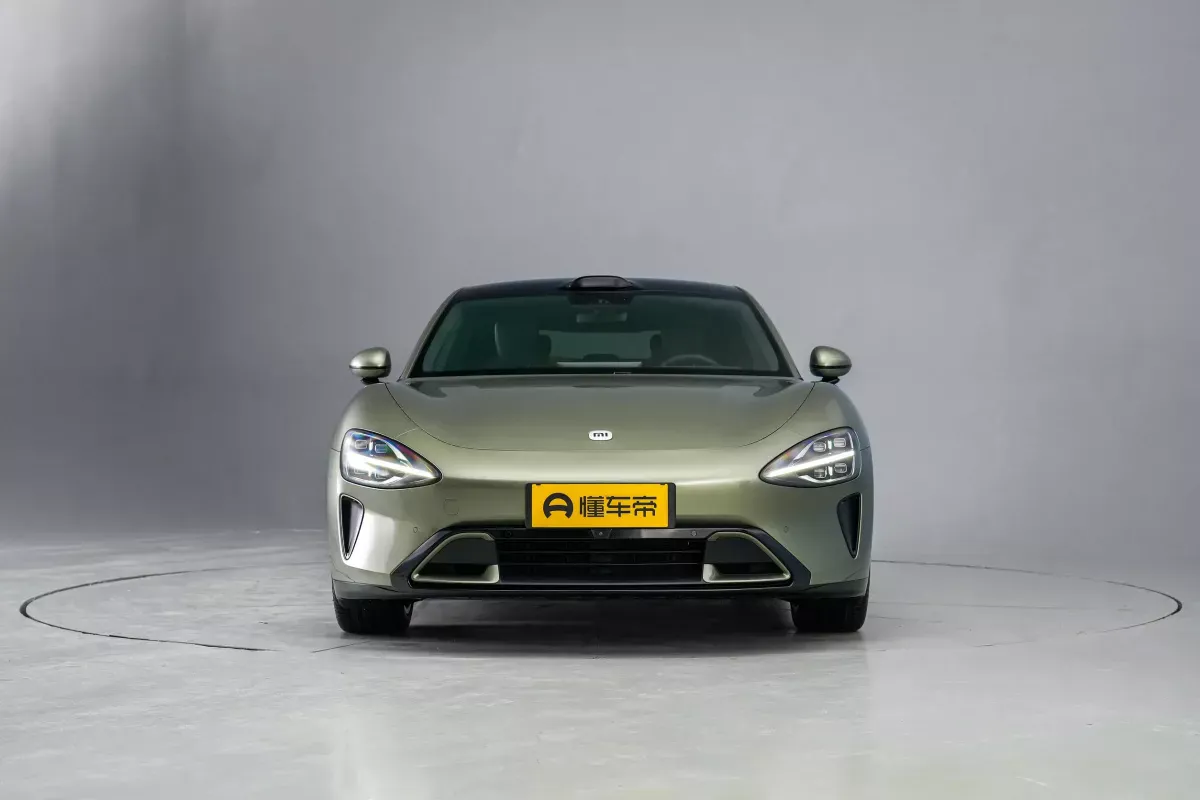
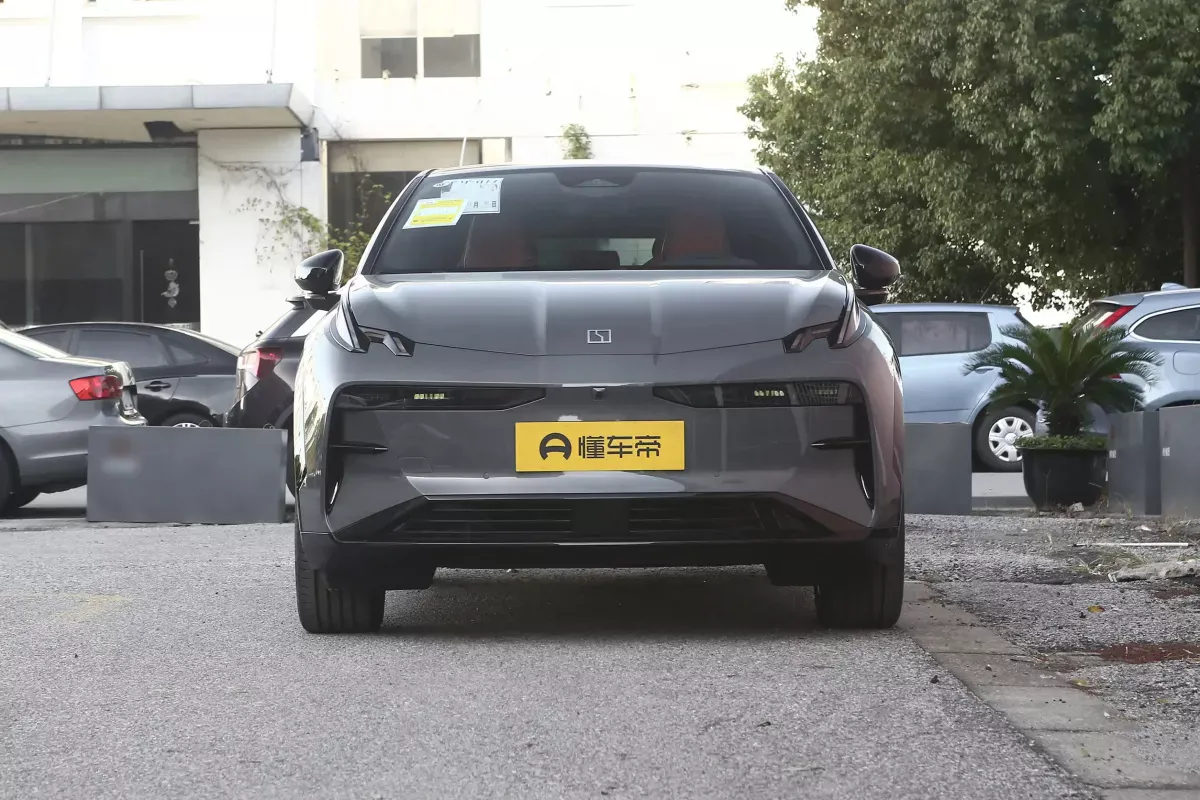
Interestingly, the same model often comes with both options. ZEEKR 7X, Tesla Model Y, Xiaomi SU7 and ZEEKR X all have versions with LFP and with NMC. So choosing the chemistry is a very practical decision when buying, not a topic just for engineers.
Below we explain, without formulas, only what matters for a driver in Ukraine: our winters, highways and the habit of charging at home.
LFP and NMC in plain terms
Both types are lithium-ion batteries. The difference lies in the cathode material, i.e. the "positive" part of the cell.
- LFP (lithium iron phosphate). Iron and phosphate are cheap and abundant materials, with no cobalt or nickel. The chemistry is very stable: the battery is much less prone to overheating and handles full charges and thousands of cycles well. The downside is lower energy density. To get the same range, the battery has to be bigger and heavier. In addition, LFP is more sensitive to cold.
- NMC (nickel manganese cobalt). More energy per kilogram, so more capacity fits into the same space. It delivers and accepts energy better in frost. At the same time, it is more expensive, tolerates long-term storage at 100% less well and usually has a shorter lifespan in full cycles.
The difference is clearly visible on the ZEEKR 7X. The LFP version has 75 kWh and 620 km CLTC, while the NMC version has 103 kWh and 802 km. The body is the same, yet engineers fit roughly a third more energy into the same floor. That is exactly what denser chemistry gives you.
Lifespan: which battery lasts longer
Lifespan is usually counted in full charge-discharge cycles until the battery loses about 20% of its capacity. For LFP, several thousand cycles are often cited; for NMC, noticeably fewer, roughly one to two thousand. But these figures depend heavily on the specific cells, cooling system and operating conditions. Treat them as a guideline, not a guarantee.
There is a nuance that is often forgotten: a larger battery goes through fewer cycles for the same mileage. Suppose a 100 kWh NMC battery gives a real 550–650 km per charge, and a 60 kWh LFP gives 350–420 km. Then over 100,000 kilometers the first will complete noticeably fewer full cycles. So in practice the lifespan difference between modern batteries is smaller than in lab tables.
What harms any battery most:
- sitting for a long time at a very high or near-zero charge;
- heat and parking in the sun with a full battery;
- daily fast charging at maximum power with no real need;
- deep discharge in winter when the car sits idle for a long time.
The typical scenario for a Ukrainian owner is 30–80 km a day and overnight charging at home. For both chemistries this is a very gentle regime. If you are buying a used car or want to know the real condition of your own battery, book a battery check at our service center. Diagnostics show remaining capacity and cell imbalance more accurately than the percentage on the dashboard.
Winter: where LFP falls behind
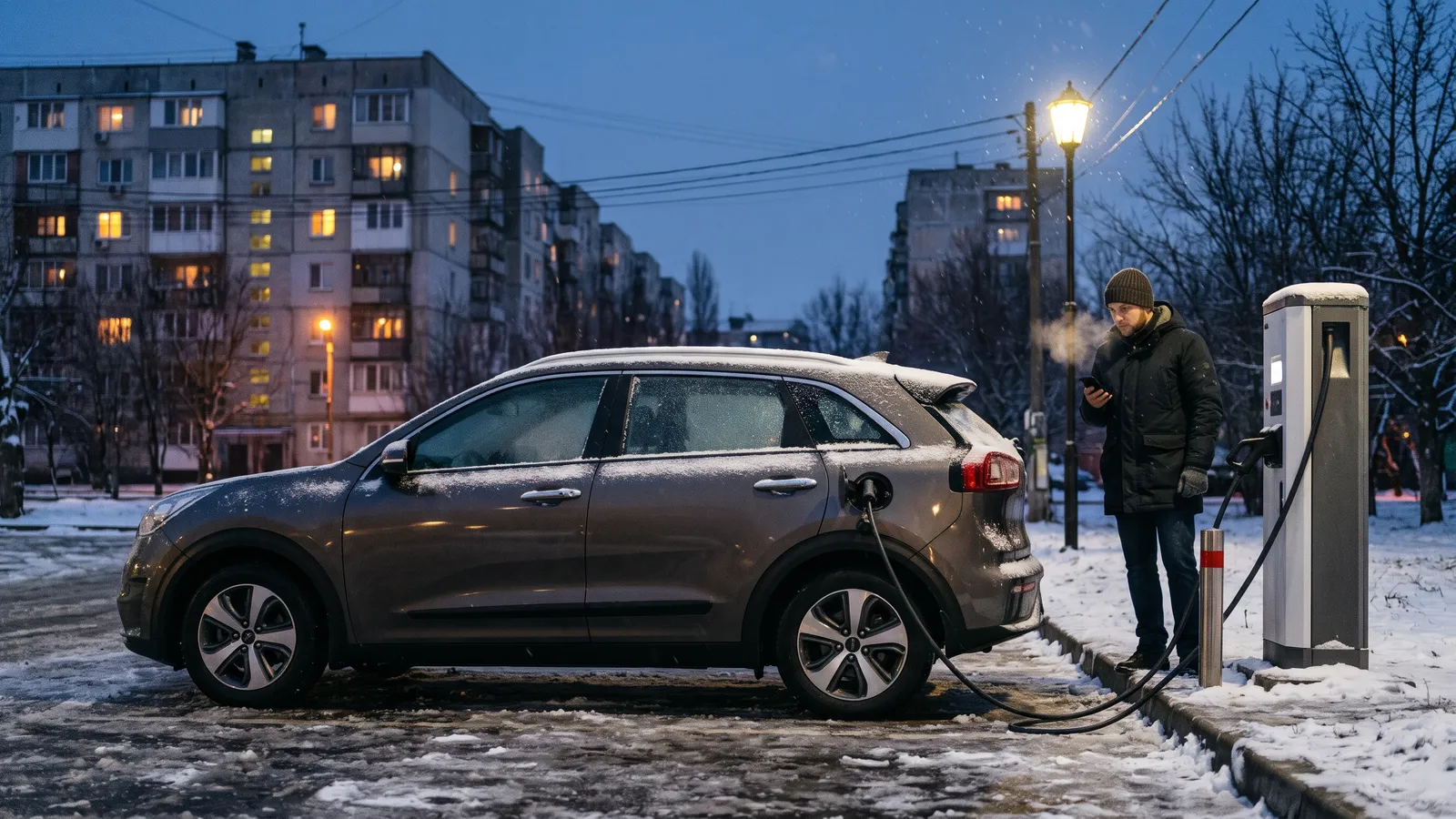
In frost, chemical processes slow down in any lithium battery and internal resistance rises. LFP feels this more strongly. When it is cold, the car limits regenerative braking, reduces available power and, most importantly, significantly lowers charging speed.
What does this mean in kilometers? CLTC range is optimistic to begin with. In summer, in mixed driving, expect roughly 70–85% of it, and on the highway at 120–130 km/h even less. In winter, both battery types lose extra range, because energy goes into heating the cabin and warming the battery itself. In severe frost, LFP usually loses a bit more than NMC. This is especially noticeable on short trips when the battery doesn't have time to warm up. We covered specific figures and ways to save kilometers in our article on winter range.
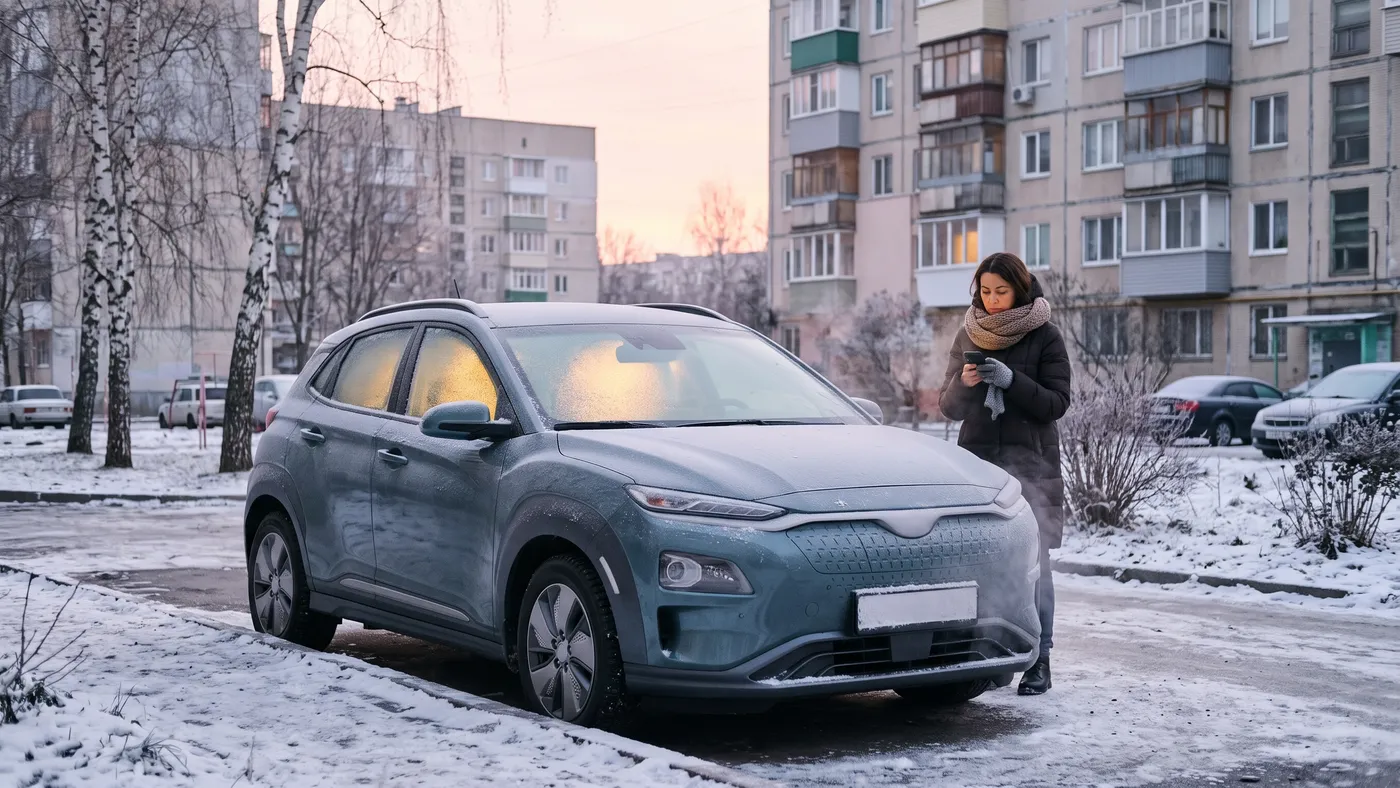
There is good news too: all models from the EV House catalog mentioned in this article have battery preconditioning. A modern LFP battery with heating and a well-designed management system works perfectly fine in a Ukrainian winter. Here's what helps:
- charge in the evening or right before departure so the battery is warm after charging;
- turn on cabin and battery heating from the app while the car is still plugged in;
- park overnight in a garage or underground parking if possible;
- before fast charging on the road, set the station as the destination in the navigation system so the car preheats the battery itself.
Fast charging: chemistry or temperature
In summer, the difference between LFP and NMC at a fast charger is small. For the ZEEKR 7X, the manufacturer lists practically the same fast-charging time for both versions: 0.18 h for LFP and 0.17 h for NMC, i.e. about 10–11 minutes in the official scenario. At a real station the process will take longer. It depends on the station's power, the starting charge level and battery temperature.
The differences show up in the details:
- Cold. A cold LFP battery accepts current much worse than NMC. Without preheating, winter charging can take several times longer.
- Charging curve. LFP often holds high power longer. NMC usually starts briskly but reduces current earlier as it approaches 80%.
- The last percent. With both chemistries, the last 10–20% at a DC station charges slowly. On a trip, it's more efficient to stop at 80% and keep driving.

What percentage to charge to
LFP
Here LFP clearly wins. These batteries easily handle charging to 100%, and most manufacturers allow it for everyday use. Moreover, it's advisable to charge LFP to full once every week or two. With this chemistry, voltage barely changes in the mid range, so the management system finds it hard to determine the charge level precisely. A full charge "calibrates" the percentage on the screen. Without it, the car may show 30% while actually having less.
NMC
For daily driving, keep the limit at 80–90%. Charge to 100% before a long trip and set off soon after charging is complete. Don't leave the car with a full battery for several days, especially in summer in the sun.
General rules
- Don't run the battery down to 0–5% unnecessarily, and don't leave a discharged car out in the frost.
- If the car will sit for weeks, leave it at 40–60% charge.
- The main source of rules is the manufacturer's manual. Recommendations for some models differ, and they are stated directly in the charging menu.
Managing limits is easiest with home charging: set the percentage once and forget about it. We explained how to choose between a socket and a wallbox in our article on home charging.
Comparison using models from our catalog
The clearest comparison is between versions of the same model with different chemistries. Below are official figures; range is given according to CLTC.
| Model and version | Battery type | Capacity, kWh | CLTC range, km | Drive |
|---|---|---|---|---|
| ZEEKR 7X 2WD Max (75kWh) | LFP | 75 | 620 | Rear |
| ZEEKR 7X 2WD Max (103kWh) | NMC | 103 | 802 | Rear |
| Tesla Model Y Juniper RWD | LFP | 62.5 | 593 | Rear |
| Tesla Model Y Juniper Long Range RWD | NMC | 78.4 | 821 | Rear |
| Xiaomi SU7 Pro | LFP | 94.3 | 830 | Rear |
| Xiaomi SU7 Max | NMC | 101 | 800 | All-wheel |
| ZEEKR X Max | LFP | 61.4 | 530 | Rear |
| ZEEKR X Ultra | NMC | 66 | 512 | All-wheel |
The pattern is simple: NMC usually goes into higher-end, more powerful or long-range versions, while LFP goes into base versions. A longer range on the NMC version is not guaranteed. The Xiaomi SU7 Pro with LFP covers more distance on CLTC than the all-wheel-drive Max with NMC, because the latter is much more powerful and heavier.
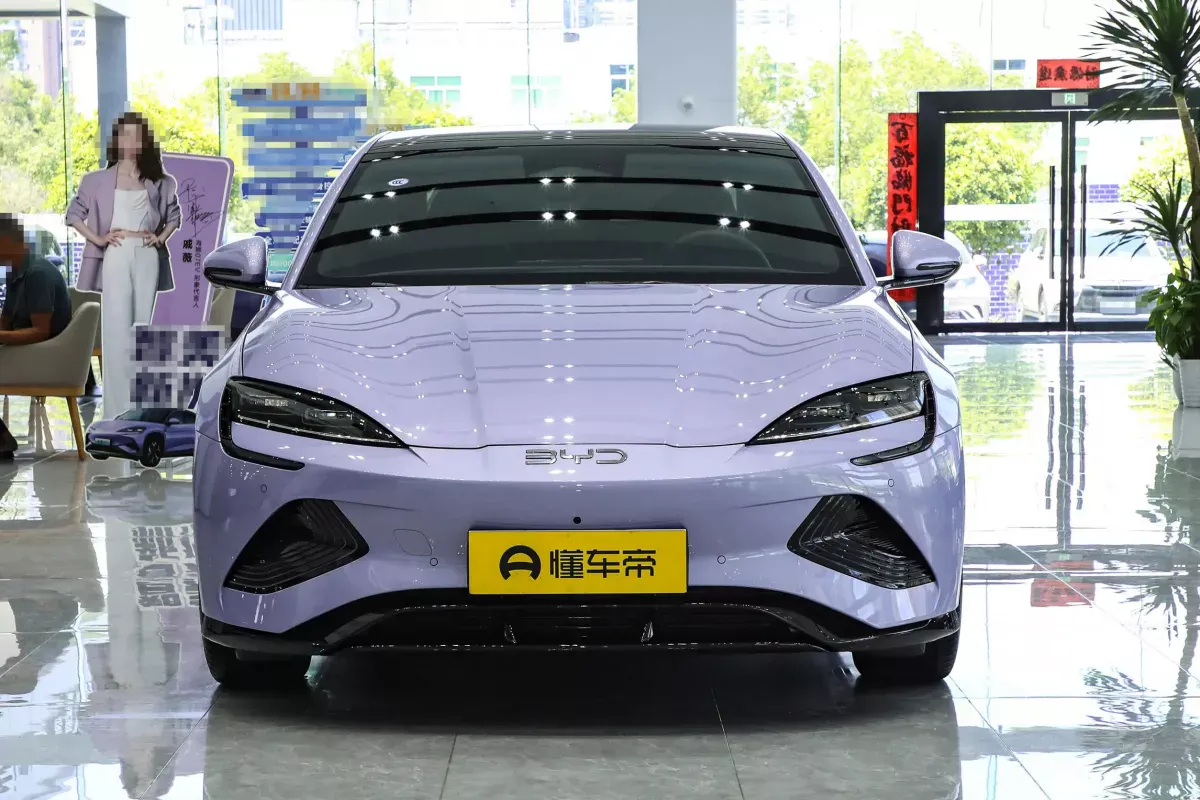
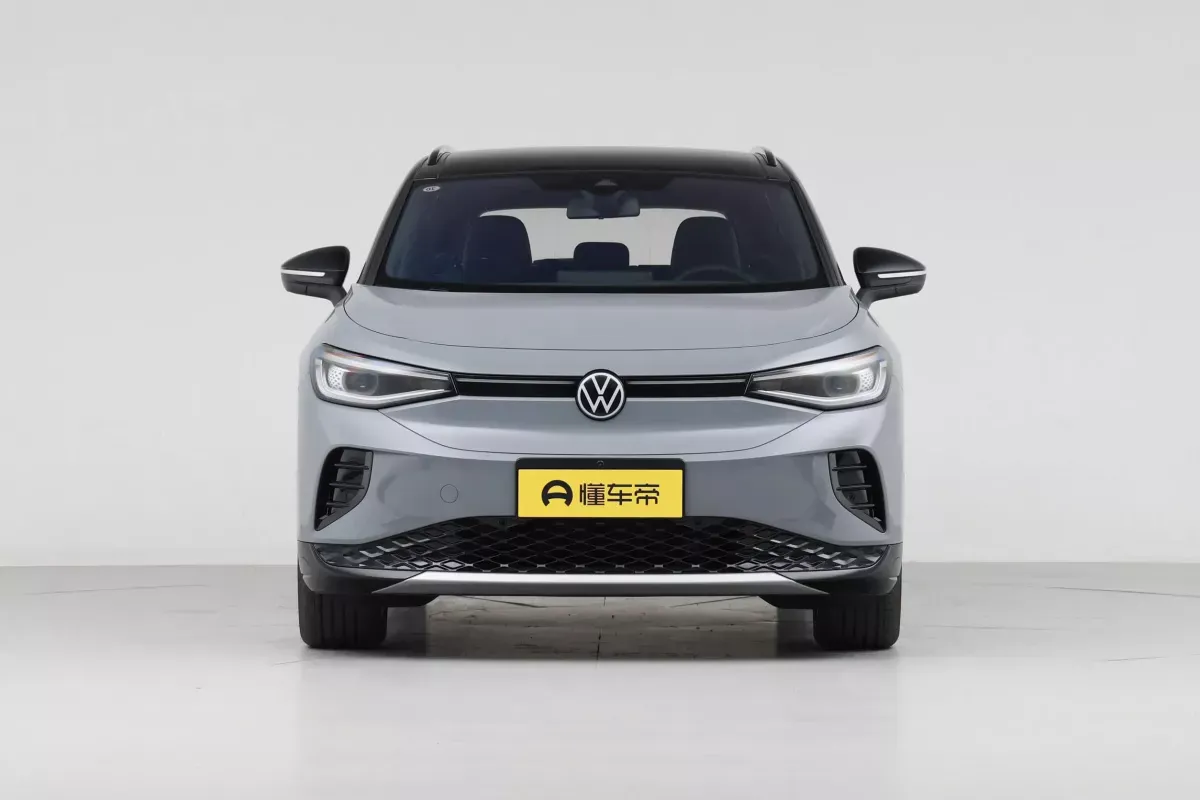
Some models use only one chemistry. The entire BYD Seal lineup is built on LFP, priced from $35 100 in the EV House catalog. The Volkswagen ID.4 CROZZ, on the other hand, has NMC in all versions and costs from $30 100. The ZEEKR 7X in our catalog starts from $49 700, the Tesla Model Y from $51 700. Prices may change, and it's best to check the price difference between versions with different batteries with a manager for a specific delivery.
What to choose for your scenario
- City, suburbs and home charging. LFP is a sensible choice. You can charge to full every day, the lifespan is long and the price is lower. Real-world range is more than enough, even in winter.
- Frequent intercity trips. Consider NMC with a large capacity. More kilometers between stops and more consistent fast charging in the cold save time on the road.
- The car is parked outdoors overnight and winters in your region are harsh. NMC offers a bit more comfort. LFP will also work if you get used to preheating from the app and charging before departure.
- You plan to drive a lot for 8–10 years. LFP, with its cycle life and tolerance of full charges, looks like the more relaxed option here.
- Limited budget. LFP versions are usually more affordable, and the difference can be invested, for example, in a home wallbox.
Conclusion
There is no absolute winner. LFP is a durable, safe chemistry that doesn't mind charging to 100%, but it performs slightly worse in frost. NMC is denser and better in the cold, but requires discipline with the charge limit and usually costs more. For most Ukrainian drivers who drive around the city daily and charge at home, LFP is perfectly sufficient. Those who regularly cover hundreds of kilometers on the highway should consider an NMC version with a larger battery.
The advice is simple: first, honestly calculate your typical weekly mileage and decide where the car will be parked overnight, and only then choose the chemistry. If you want to compare specific versions or check the battery of a car you already own, call EV House at +380 66 088 93 20. We'll advise you without rushing and find an option that suits your trips.
FAQ
How can I tell from the specifications which battery a car has?
The label "lithium iron phosphate" means LFP. "Ternary lithium" means NMC (sometimes written as NCM). If the car's documents don't state this, an EV House manager will confirm the battery type for the specific version.
Can I charge an LFP battery to 100% every day?
Yes, for most LFP models manufacturers allow this. A full charge once every week or two is even beneficial, as it refines the charge level reading. The main thing is not to leave the car fully charged for long periods in extreme heat.
Does charging an NMC battery to 100% before a trip harm it?
No, an occasional full charge before a long trip is normal practice. What causes harm is sitting at 100% for a long time, especially in warm weather. So plan your charging so that you leave soon after it finishes.
Can I leave an LFP car outside in severe frost?
Yes. The battery management system protects the cells, but limits power and charging speed while the battery is cold. Don't leave the car out in the frost with a near-zero charge, and use preheating from the app before driving.
What batteries do plug-in hybrids use?
Plug-in hybrids have smaller batteries, and both chemistries are used. The BYD Seal 06 DM-i and Geely Starship 7 EM-i have LFP, while the Li L7 has NMC. The charge limit rules are the same as for electric cars with the corresponding battery.