CLTC, WLTP, EPA: how to read the range of Chinese electric cars
The range figure in the catalog is the result of a laboratory cycle. On your road it may turn out differently. We'll go through what stands behind CLTC, WLTP and EPA, and how to turn the paper figure into real mileage in the city, on the highway and in winter.
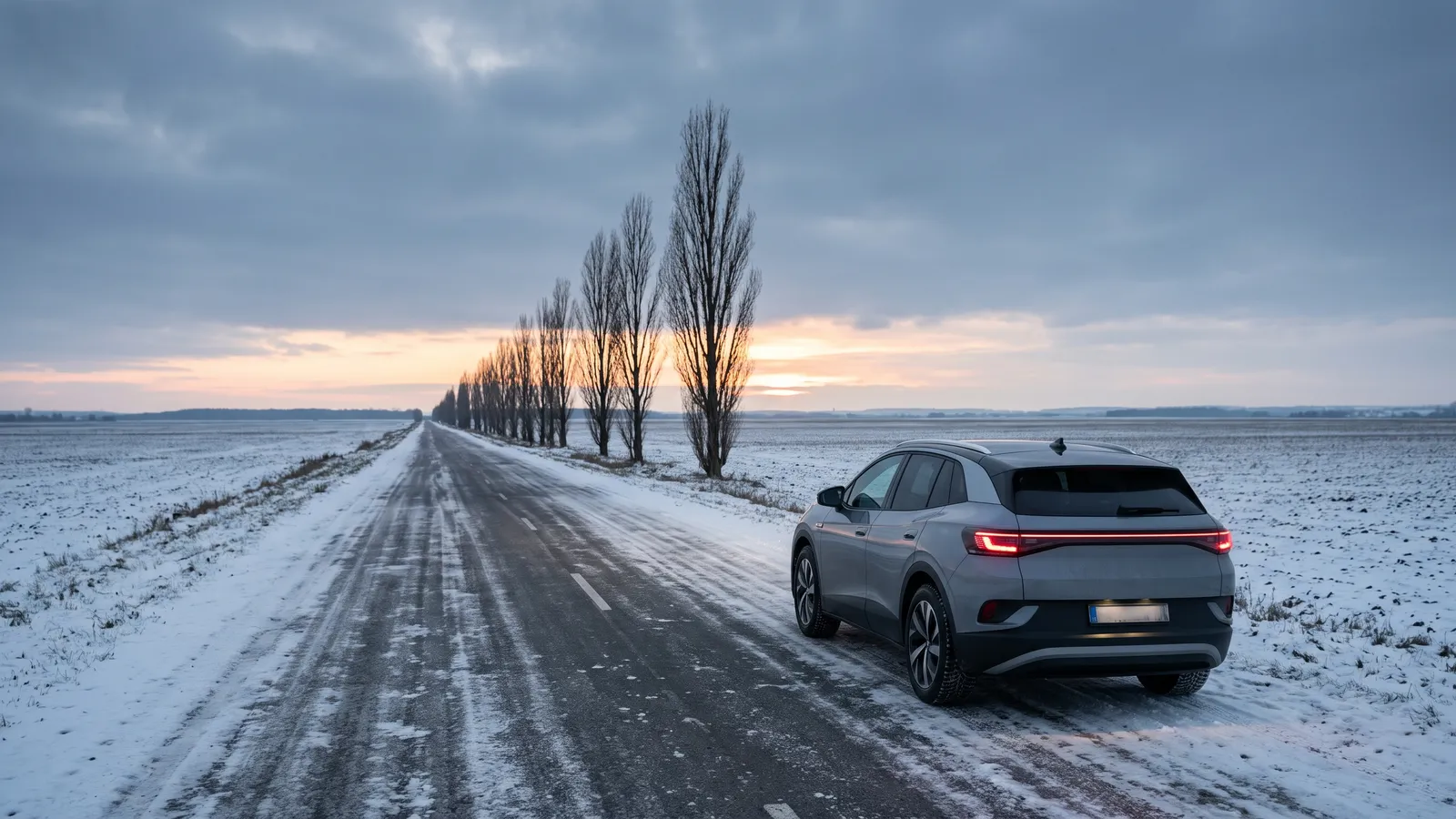
You open the page of a Chinese electric car, see 810 km of range and think that with such a battery you can make any trip around Ukraine without a socket. The figure is genuine, but it was born in a laboratory under rules that have little in common with your road. To avoid feeling the difference on the highway in freezing weather, it is worth knowing what CLTC, WLTP and EPA actually measure.
Next we'll go through the three cycles, explain why the Chinese figure is the largest, and show how to recalculate it for the city, the highway and winter. We take examples from the EV House catalog: it includes both pure electric cars and plug-in hybrids, whose range has two values.
Three cycles: what the car does in the laboratory
Each cycle is a driving scenario on a test stand: speed, acceleration, stops and duration. Using it, the manufacturer measures how many kilowatt-hours the battery uses per hundred kilometers, and then divides the capacity by that consumption. The scenarios themselves differ.
- CLTC is the Chinese standard. The average speed is low, there are many accelerations and stops, and the load from heating and air conditioning is small. That is why the cycle suits city driving best.
- WLTP is a harmonized test used in the EU and in many countries that follow European rules. It consists of several phases: city, rural road and faster highway. The test is stricter than CLTC because it includes sections at higher speeds.
- EPA is the cycle of the US Environmental Protection Agency. It is the strictest of the three, and the results go through an additional correction that lowers the declared range.
Figures from different cycles cannot be compared directly, so "600 km" without specifying the cycle says little. In the EV House catalog, CLTC is given for most models. For some cars the manufacturer provides WLTP or EPA in the documents, and comparison makes sense only within one cycle.
Why CLTC gives the largest figure
CLTC is the furthest from fast highway driving. The average speed is low, there are few fast sections, and the temperature in the test is moderate, so little energy goes to heating. The battery works in the best conditions, and that is exactly what is built into the figure.
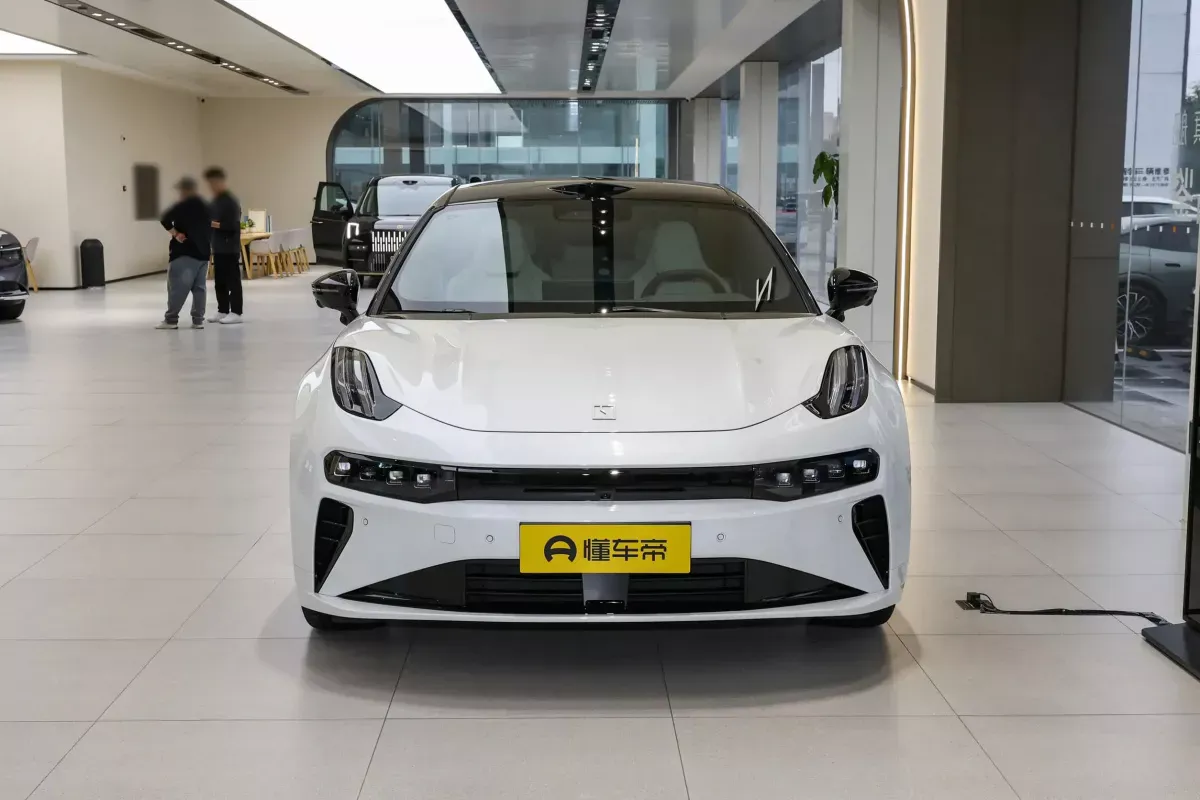
Take two versions of the ZEEKR 001 with a 103 kWh battery. The 2WD Max has 810 km by CLTC, which is about 12.7 kWh per hundred kilometers. The 4WD Ultra+ with the same battery claims 730 km, which gives about 14.1 kWh per hundred. The difference comes from the drive system and, probably, the weight, but the catalog does not list the weight, so it is better to confirm the exact reason with a manager. Capacity alone does not determine mileage.
How to recalculate CLTC into your own mileage
The method is simple: take the battery capacity, divide it by the CLTC range and you get consumption per 100 km. Then multiply the range by a correction for your scenario. The coefficients in the table are working guidelines for estimates, not measurements of a specific model. The real figure depends on driving style, tires, speed and temperature.
| Scenario | Of CLTC range, approximately | What eats the most |
|---|---|---|
| City, summer, 20–25 °C | 85–100% | air conditioning, but regeneration partly compensates |
| Highway 100–110 km/h, summer | 65–80% | air resistance |
| City, winter, from −5 °C | 60–75% | cabin heating and a cold battery |
| Highway 110–120 km/h, winter | 45–60% | speed and heating together |
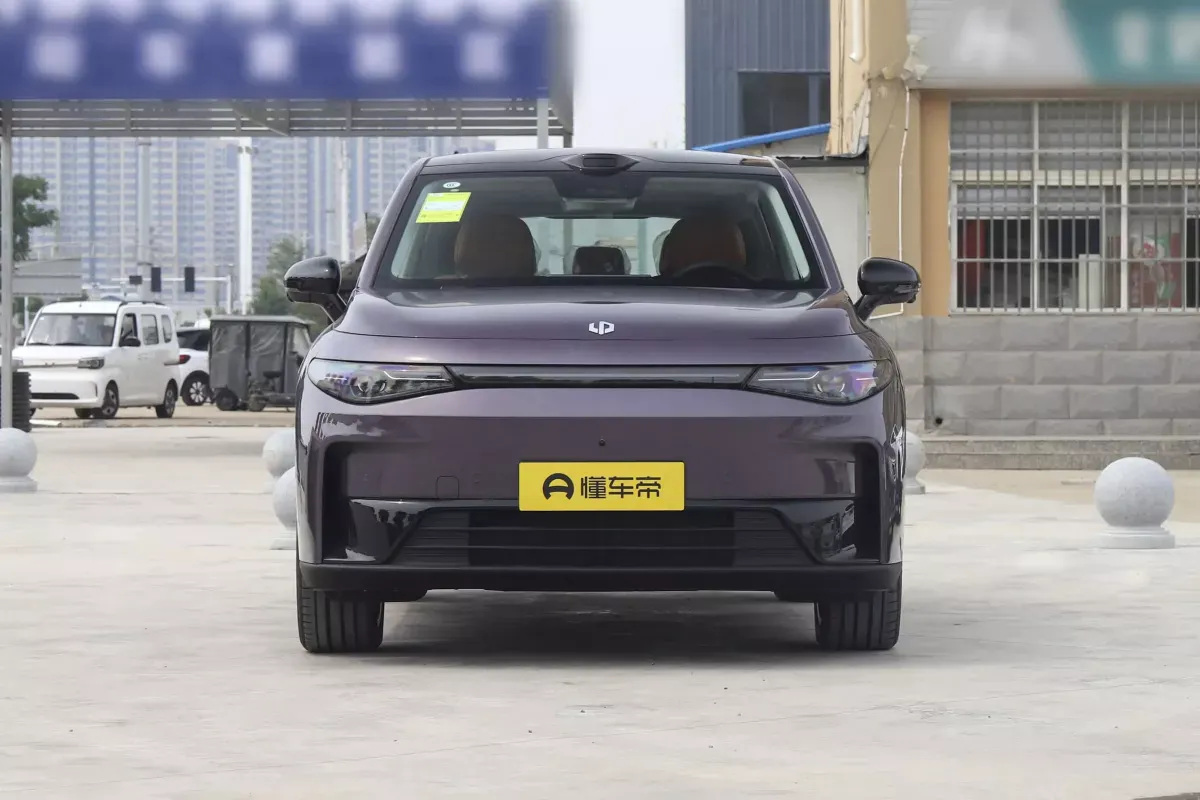
An example from the catalog. The LEAP Motor C10 in the 605 km version has a 75 kWh battery, which is about 12.4 kWh per hundred by CLTC. If in winter on the highway it comes to 18–20 kWh per hundred, a full battery gives roughly 375–415 km. But nobody drives down to zero, and it is better to start charging at 20–25%, so for planning it is realistic to assume 300–350 km.
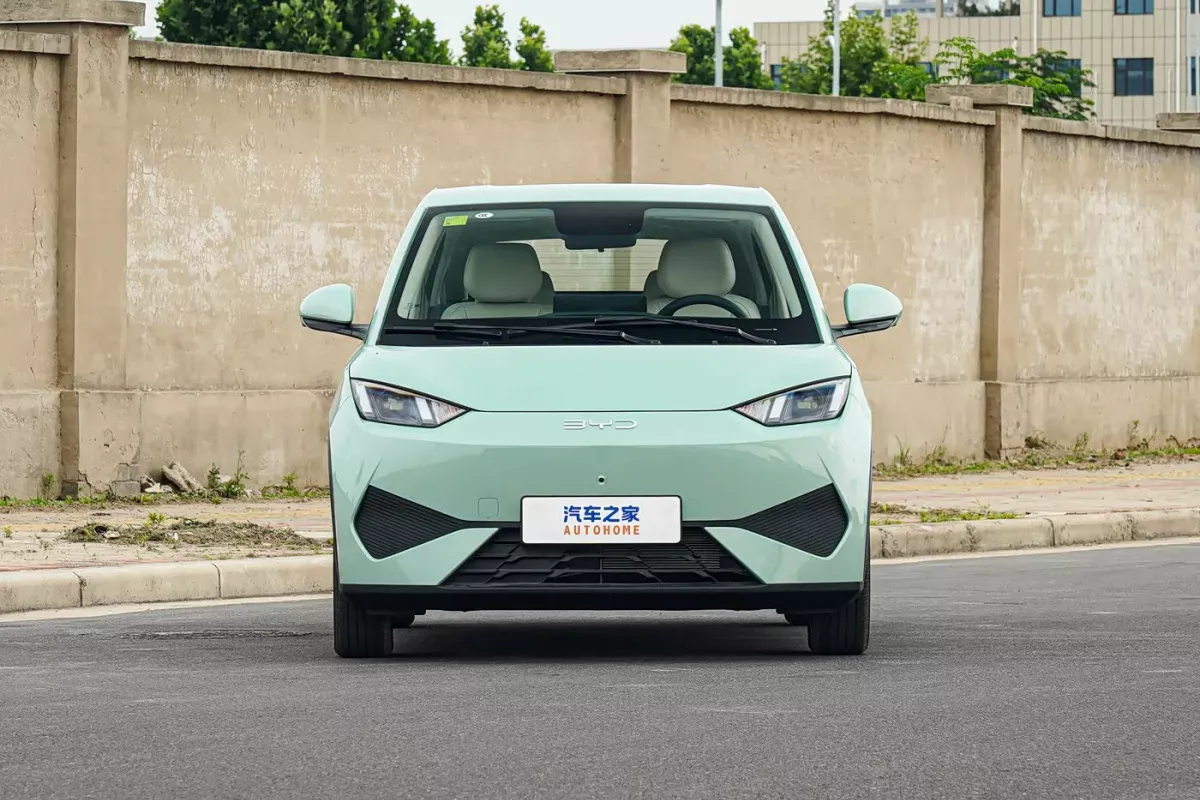
For a city car the logic is the same. The BYD Seagull in the 405 km version has a 38.8 kWh battery, which is about 9.6 kWh per hundred by CLTC. In winter in the city you can expect 14–16 kWh per hundred, and then a full battery gives about 240–280 km. For a daily 40–60 km this is no trouble at all, and for weekends such a range is entirely comfortable.
For a large sport sedan, look at the ZEEKR 001 in the 4WD Ultra+ version: 730 km with a 103 kWh battery. A 120 km/h highway drive in winter can take 22–24 kWh per hundred, and then a full battery will give about 430–470 km. If the route without charging is longer, plan a stop in advance.
Winter: what actually eats the energy
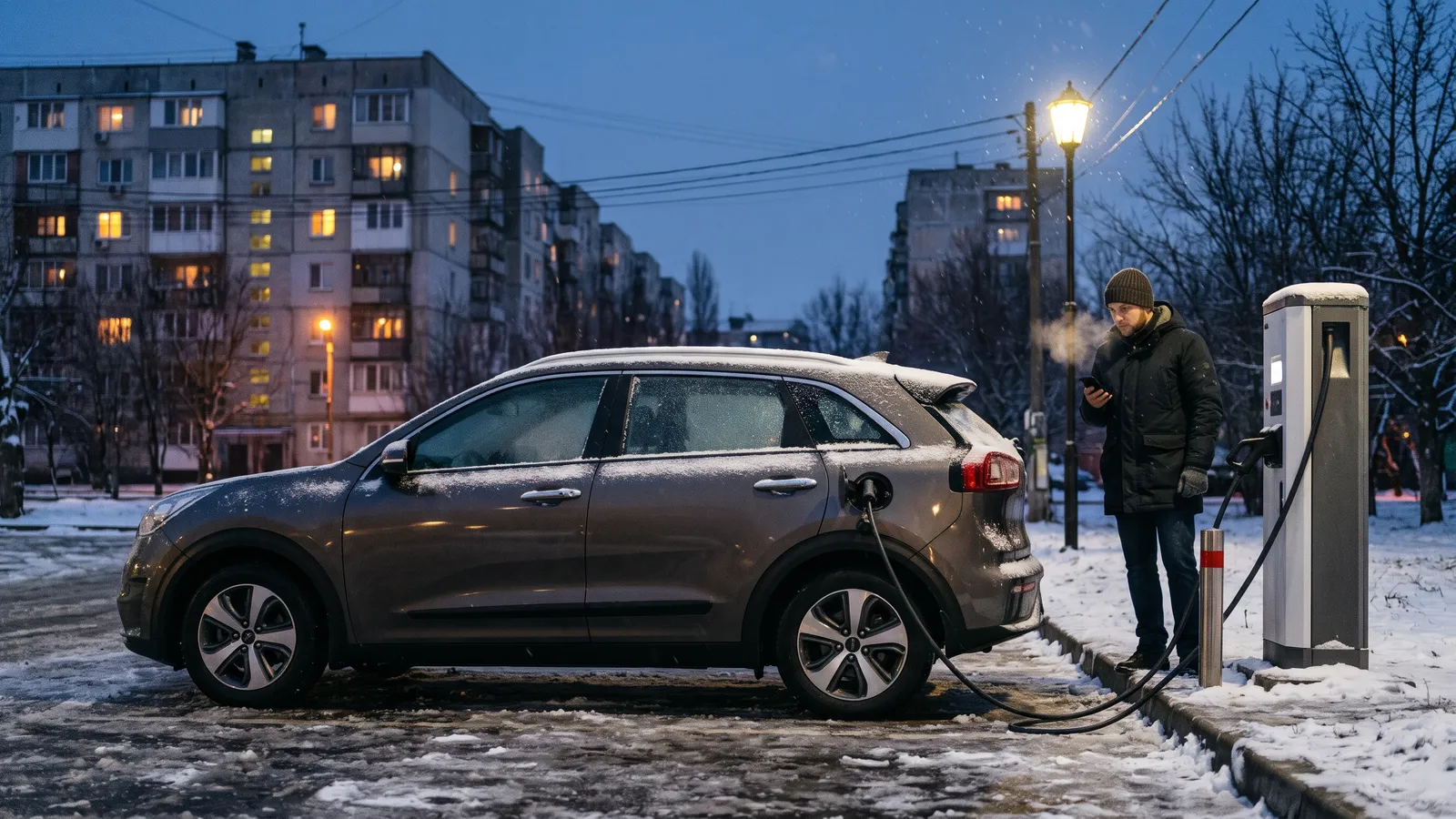
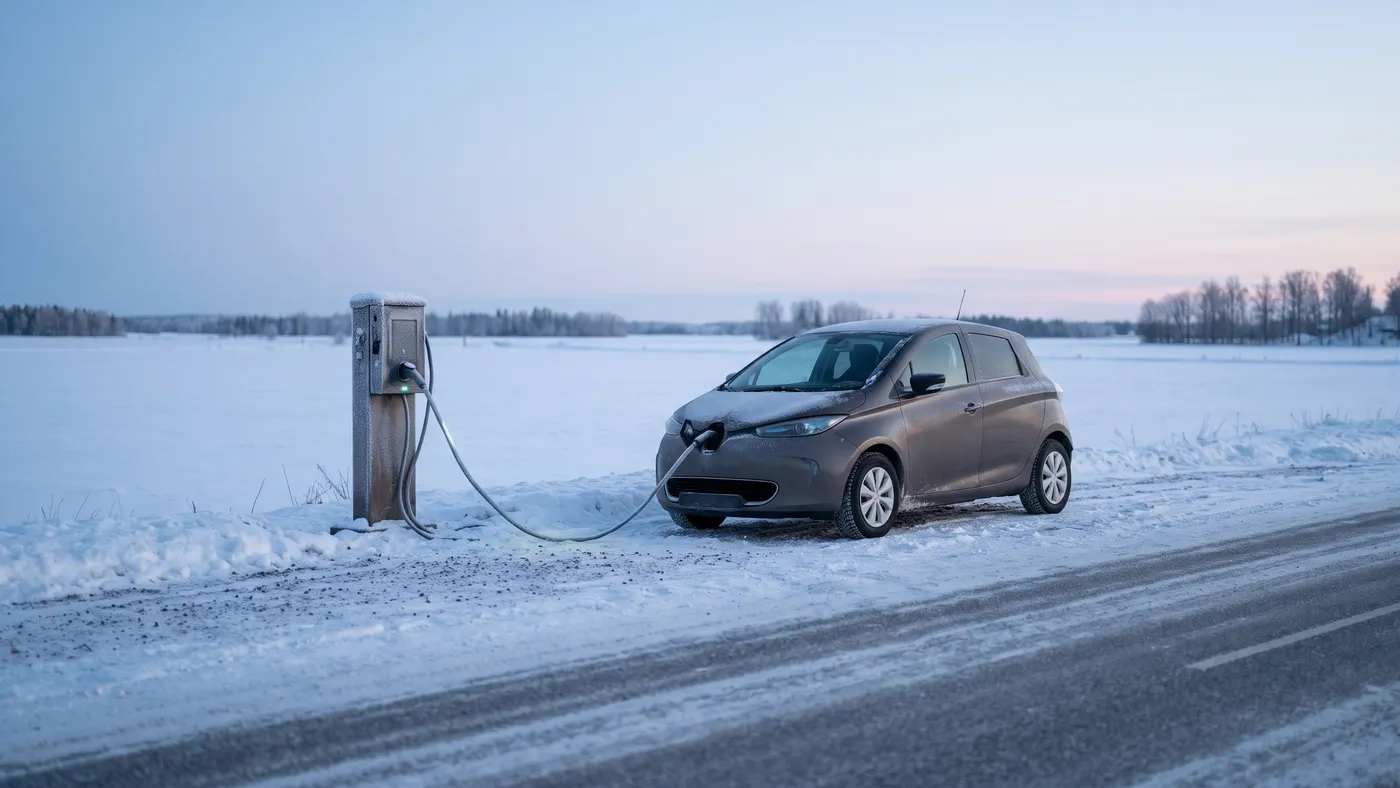
In the cold, energy goes to three places: cabin heating, battery heating and driving itself, because cold tires and denser air require more power. The biggest drop happens on short trips, when the battery is not yet warmed up. Battery preheating, which most models in the catalog have, is best started during charging or before departure. Then the battery works in its operating range, regeneration is better and fast charging is quicker.
Heated steering wheel and seats use less energy than heating the whole cabin, so for short distances it is worth using them instead of full heating. More about this in the article Electric car range in winter.
Hybrids: two ranges in one figure
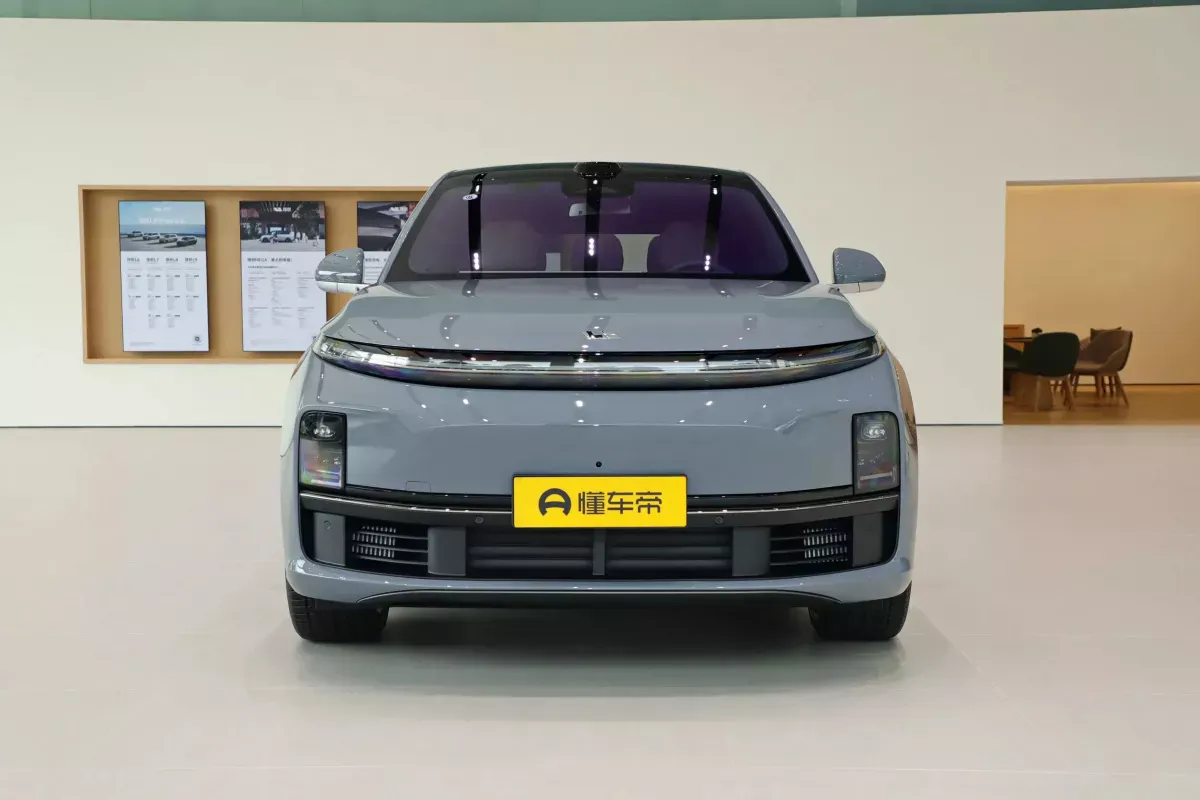
For plug-in hybrids and EREVs the catalog shows two numbers: the electric range and the total range with a full tank. The Li L7 in the Max and Ultra versions has 286 km on electricity and a total range of 1421 km by CLTC with a 52.3 kWh battery. The Geely Starship 7 EM-i has 135 km from a 19.09 kWh battery and a total range of 1510 km. For the city and daily trips the first figure matters, and for long routes the second.
The recalculation works the same way as for an electric car, but the capacity is smaller, so the winter drop in electric range is more noticeable in percentage terms. For the fuel part, the WLTC consumption figure is useful. For the Starship 7 EM-i it is 4.5–4.7 l per 100 km, for the Li L7 it is 7.4 l. A difference of more than 2 l is noticeable, especially if you drive mostly in the city, where a hybrid runs on the battery more often.
What to check in the specifications before buying
- Battery capacity in kWh. It shows how much energy the battery can store, while range is the result of capacity and consumption. The ZEEKR 001 4WD Max has 95 kWh and 710 km, while the 2WD Max with 103 kWh gives 810 km.
- Battery type. Ternary lithium and LFP behave differently in the cold and during fast charging. The rear-wheel-drive Tesla Model Y in the catalog has an LFP battery of 62.5 kWh and 593 km, while the Long Range version with a ternary lithium battery of 78.4 kWh gives 821 km. The difference between LFP and NMC for Ukrainian conditions is covered in a separate article on our blog.
- Drive system. The ZEEKR 001 4WD Ultra with a 103 kWh battery gives 762 km, while the 2WD Max with the same battery gives 810 km. All-wheel drive takes away part of the range, so for mostly city trips it is more about dynamics, and for the highway it is about kilometers.
- Charging speed. The fast charging time in the catalog depends on the manufacturer's conditions: from what level to what charge and at what station power. Before comparing two figures, confirm these conditions with a manager.
- Source of the figure. In our catalog range is given by CLTC. If you have WLTP or EPA documents, compare them with each other, not with CLTC from another site.
What to conclude from all this
Take CLTC as the upper limit and plan within the range that matches your winter and your highway. If your daily mileage is 40–60 km in the city, a model with 400 km by CLTC will give about 240–300 km in winter, and that is enough for several days without a socket. If you regularly drive more than 300 km on the highway in freezing weather, count using the winter guidelines and look for DC chargers along the way.
If you want the figures calculated for your route and for specific versions, write or call us: +380 66 088 93 20. We'll go through the difference between the trim levels you are interested in and tell you which version will handle your winter better. You can also leave a request via the contacts page. No pressure, we'll simply calculate together.
FAQ
Why do range figures on the manufacturer's website and in the catalog differ?
Most often one figure is given by CLTC and the other by WLTP or EPA, or it refers to a different version with a different battery. Before comparing, check which cycle is specified in both sources and compare the capacity in kWh. If the difference remains, ask a manager to clarify the configuration.
Which figure should I use for planning trips?
For the city in summer you can go roughly by CLTC, while for the highway in winter it is realistic to assume about half of the range or a little more. Round the result down and leave some reserve in the battery for a traffic jam or weather. For long routes, check in advance where the DC chargers are.
Does battery preheating affect range?
It does not directly affect the capacity figure, but a cold battery delivers and accepts energy worse. If you start preheating while charging from the grid, the energy comes from the socket, not from the battery. This way you get a warm battery without wasting range.
Can a hybrid and an electric car be compared by range?
It is better not to compare them directly, because a hybrid has a shorter electric range, and its total range depends on the tank. For your scenario, look at what share of your trips you will cover on electricity and how much fuel you burn on long routes. Then the comparison will be fair.
What should I do if the real mileage turned out to be lower than calculated?
First check tire pressure, the heating mode, speed and battery temperature. These four factors most often explain a large part of the difference. If the figures are far from the calculations, write to us and we'll work out together what exactly is going on.