DM-i, EM-i and EREV: How Chinese Plug-in Hybrids Work
Chinese hybrids run mostly on electricity, and the petrol engine is a helper rather than the main power source. We explain how DM-i, EM-i and EREV work and how to choose the right one for you.

Just a few years ago, the word “hybrid” brought to mind the Toyota Prius: a small battery that couldn't be charged from a socket and fuel savings in the city. Chinese manufacturers have taken a different path. Their plug-in hybrids have a battery large enough for daily trips without a single drop of petrol, and the internal combustion engine only kicks in when it's really needed.
In model names you'll see abbreviations like DM-i, EM-i, DM-p or EREV. Behind them are different engineering solutions, and they determine how the car behaves in the city, on the highway and in winter. Let's go through them one by one.
What all plug-in hybrids have in common
A plug-in hybrid (PHEV) is a car with an electric motor, a traction battery that can be charged from a socket or charging station, and a petrol engine. The main idea: do your short daily trips on electricity, and for long journeys have the range of a regular car without hunting for chargers.
Modern Chinese PHEVs have much larger batteries than classic hybrids — from 13 to over 50 kWh, so you can drive from 75 to almost 300 km on electricity under the CLTC cycle. Bear in mind that CLTC is an optimistic cycle, and real-world electric range is usually 20–30% lower, and even lower in winter.
BYD DM-i: the electric motor leads, the engine is a generator
DM-i (Dual Mode intelligent) is BYD's hybrid system, used in most of their hybrid models. Its logic is simple:
- in the city and at low speeds, only the electric motor drives the wheels, drawing energy from the battery;
- when the battery runs low, the 1.5 L petrol engine starts, but mostly as a generator — it charges the battery and powers the electric motor;
- at steady highway speeds, the engine can connect directly to the wheels, since that's where it's most efficient.
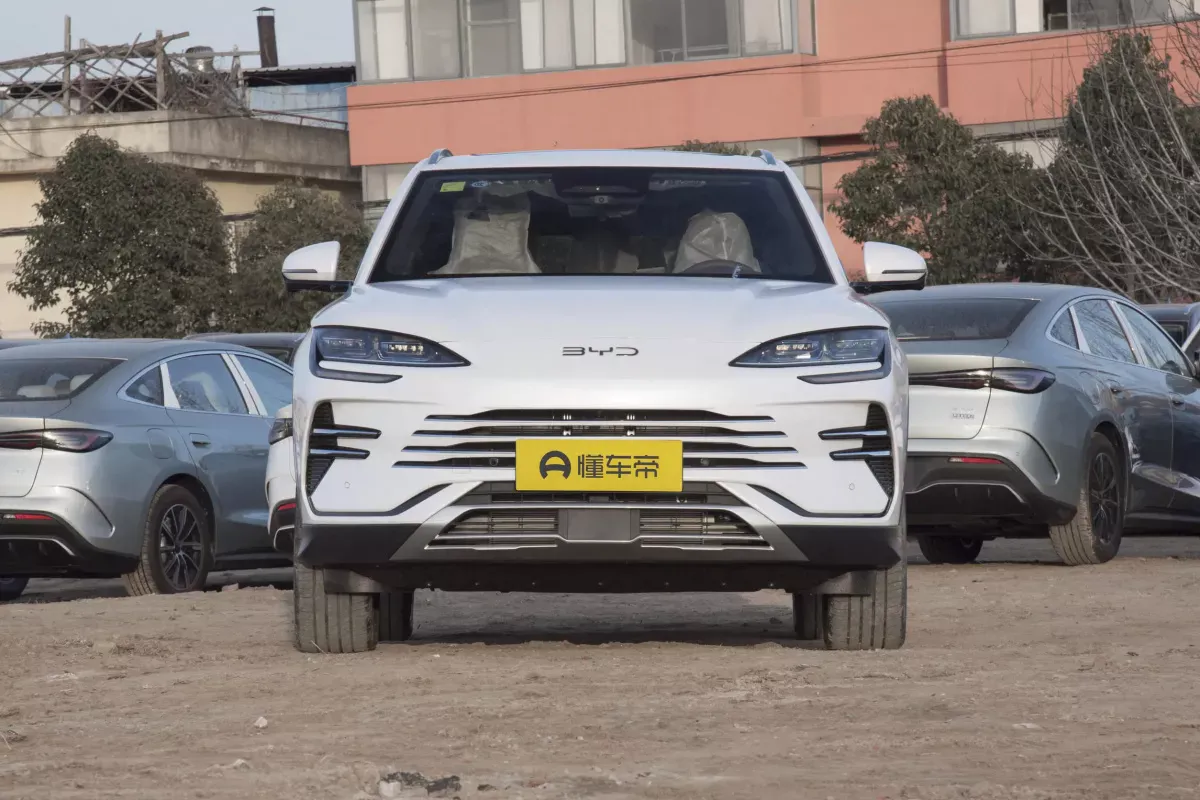
This approach is called series-parallel. The engine almost always runs in its optimal mode, so fuel consumption stays low even with a depleted battery. For example, the BYD Song Plus DM-i has a minimum consumption of around 5 L/100 km (WLTC), a battery of 12.9 to 26.6 kWh and a total range of over 1400 km.
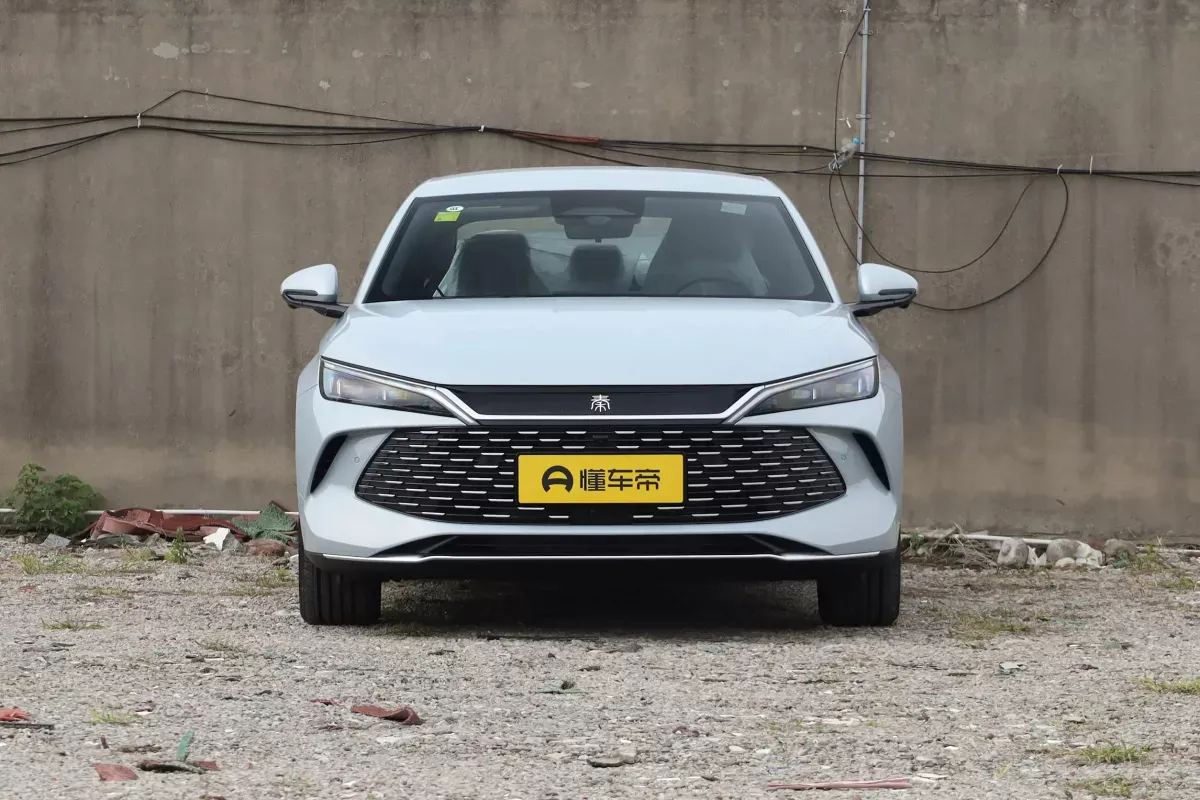
The new generation of DM-i is even more economical. The BYD Qin L DM-i sedan with the 25.2 kWh battery covers up to 210 km on electricity, and its total CLTC range exceeds 2000 km — one tank and one charge for a week of active driving.
Geely EM-i: a similar idea, its own transmission
EM-i is Geely's answer to DM-i. The principle is similar: priority on electric drive, a high-efficiency 1.5 L petrol engine and a dedicated hybrid transmission (DHT) that decides when to drive on electricity, when to generate energy and when to connect the engine to the wheels.
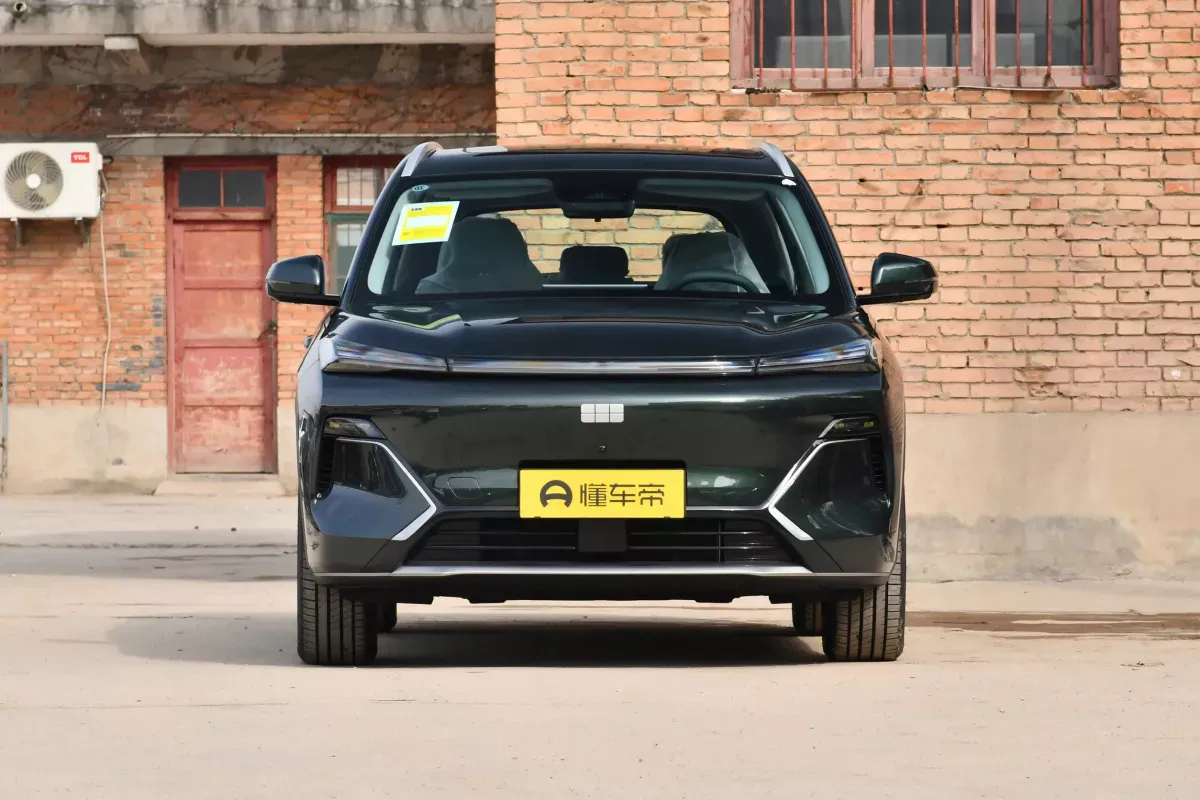
A prime example is the Geely Starship 7 EM-i crossover: a 19.09 kWh battery, up to 135 km on electricity (CLTC), a total range of around 1500 km and consumption of 4.5–4.7 L/100 km (WLTC). A special bonus for families is the boot, ranging from 528 to 2065 L.
In practice, the difference between DM-i and EM-i is small for the driver. Both systems are smooth, quiet in the city and economical on the highway. It's best to choose based on the specific model: size, equipment, price and electric range.
EREV: the engine never drives the wheels
EREV (Extended-Range Electric Vehicle) is an electric car with a range extender. The wheels are always driven only by electric motors, and the petrol engine works exclusively as a generator. It's a series hybrid in its purest form.
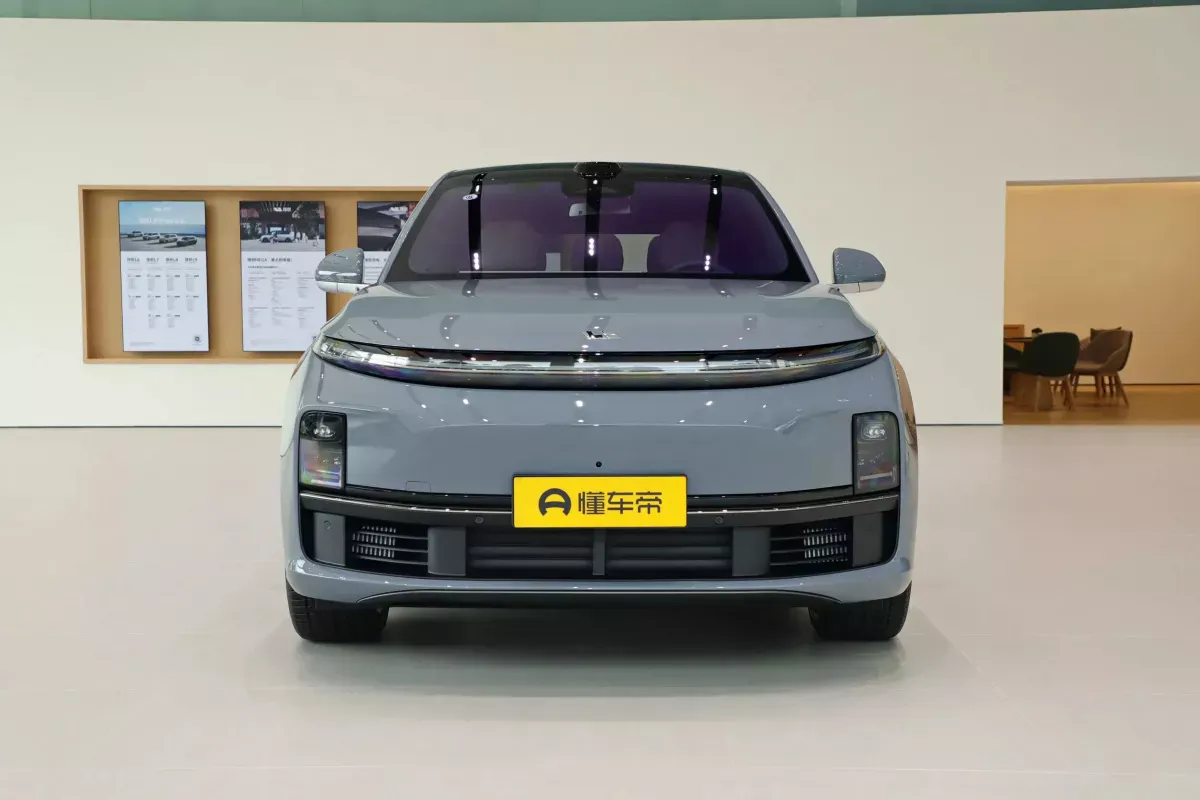
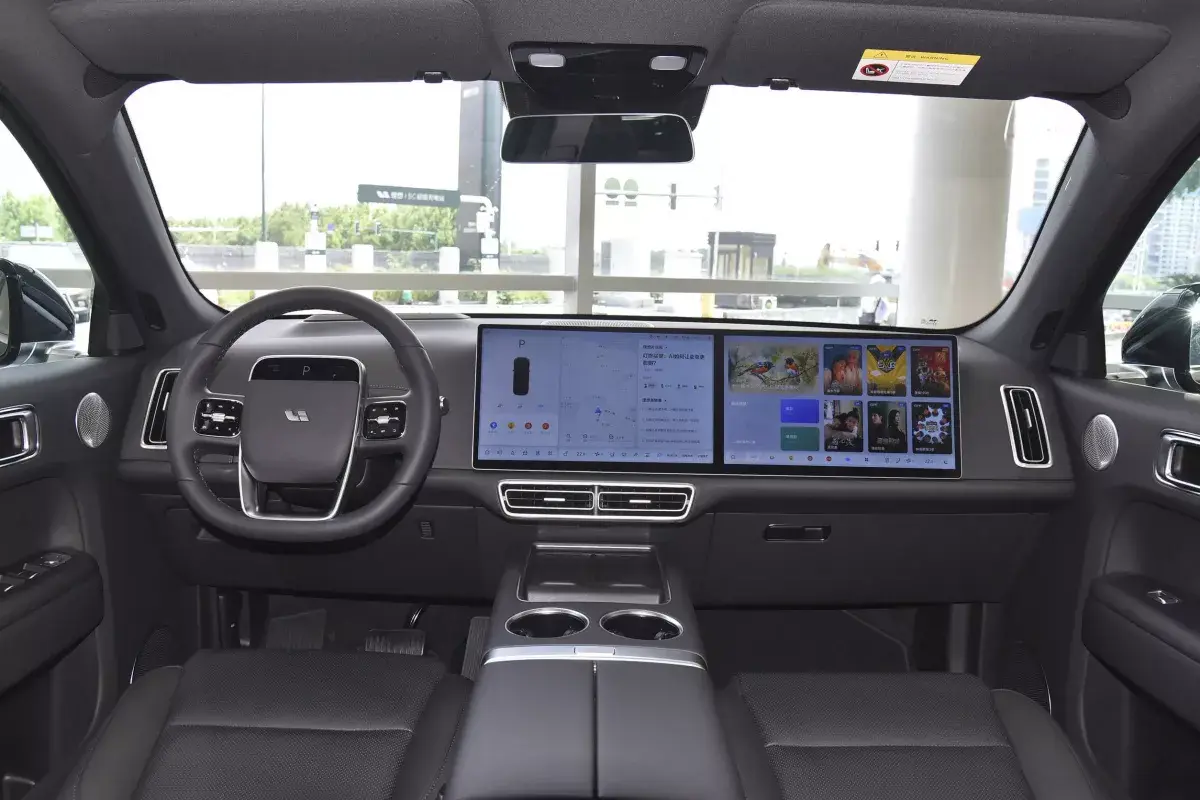
These cars have large batteries and behave like full-fledged EVs. The Li L7 is a large crossover with a 42.8–52.3 kWh battery, up to 286 km on electricity, all-wheel drive and 449 hp. Total range is over 1300 km. Its minimum fuel consumption is higher than that of compact DM-i models — 7.4 L/100 km — but the car is also bigger, heavier and much more dynamic.
EREV suits those who want the feel of an electric car every day but aren't ready to depend on charging stations on long trips.
Comparison in numbers
| Model | Type | Battery | Electric range (CLTC) | Total range (CLTC) | Price at EV House |
|---|---|---|---|---|---|
| BYD Song Plus DM-i | DM-i | 12.9–26.6 kWh | 75–160 km | 1415–1500 km | on request |
| BYD Qin L DM-i | DM-i | 15.8–25.2 kWh | 128–210 km | up to 2110 km | from $24 900 |
| Geely Starship 7 EM-i | EM-i | 19.09 kWh | 130–135 km | 1505–1510 km | from $24 800 |
| Li L7 | EREV | 42.8–52.3 kWh | 225–286 km | 1360–1421 km | from $62 800 |
Which hybrid suits whom
Daily trips of up to 50–70 km and a place to charge
The ideal scenario for any plug-in hybrid. You drive on electricity almost all the time and buy petrol once every few weeks. A DM-i or EM-i with a battery good for 100–200 km CLTC is enough here.
No home charging
The hybrid will still be economical thanks to its efficient engine, but the advantages of the plug-in version will shrink. Consider a home or office charging station — even a standard 7 kW wallbox charges a hybrid battery in a few hours.
Lots of highway driving and long trips
Models with a large tank and high total range, like the Qin L DM-i or Starship 7 EM-i, excel here. If you need space, all-wheel drive and performance, take a look at an EREV such as the Li L7.
What to consider before buying
- Real electric range. Count on 70–80% of the CLTC figure in summer and 50–65% in winter.
- Fast charging. Not all hybrids support DC fast charging — check for the specific trim.
- Maintenance. A hybrid has a petrol engine, so regular servicing with oil changes is still needed, although the engine runs less and under lighter load.
- Trim level. Different versions of the same model can differ significantly in battery and equipment.
Conclusion
DM-i, EM-i and EREV are three ways to combine an electric car with a conventional one. DM-i and EM-i are economical and affordable solutions for daily electric driving with reserve range for long trips. EREV is almost an electric car that will never leave you without energy. All hybrid models with specifications and prices are collected in our hybrid catalogue, and if you're unsure what to choose, contact us and we'll find the right option for your driving.
FAQ
Can you drive a plug-in hybrid without charging it?
Yes. Without charging, the car works like a regular hybrid: the engine generates energy and fuel consumption stays moderate. But a plug-in hybrid delivers the biggest savings when you charge the battery regularly.
How does DM-i differ from EREV?
In DM-i, the petrol engine can drive the wheels directly on the highway, while in EREV it works only as a generator and the wheels are always driven by the electric motor. EREVs usually have a larger battery and behave like electric cars.
How long does it take to charge a hybrid's battery at home?
Depending on the model and charging power, from 2 to 8 hours. For example, the BYD Song Plus DM-i charges from a home charger in about 2–4 hours, and the Li L7 in about 6.5–8 hours.
Does a hybrid need the same maintenance as a petrol car?
The schedule is similar: oil, filters, brakes, fluids. But the engine runs less and more smoothly, and the brakes wear more slowly thanks to regenerative braking. We service hybrids and electric cars at our service centre in Lutsk.